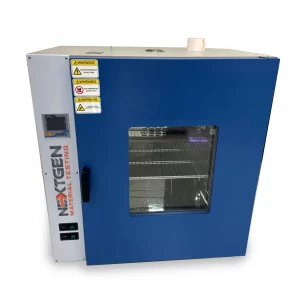
CNS 3556 is a Taiwan (ROC) national standard used to evaluate how vulcanized or thermoplastic rubber changes after accelerated thermal aging (heat resistance exposure). It is commonly applied when buyers and QA/QC teams need objective evidence that a rubber compound or finished rubber component will retain key properties after elevated-temperature service or storage.
Because requirements can depend on the exact rubber formulation and the specific edition cited in a contract or inspection plan, it’s worth aligning the exposure conditions and post-aging measurements before work begins. If you need help matching your sample type and temperature limits to the cited CNS 3556 workflow, contact our team.
CNS 3556 — Rubber, vulcanized or thermoplastic – Accelerated aging and heat resistance test
CNS 3556 is used to run an accelerated heat-aging exposure on rubber and then compare key properties before and after aging. In practice, it supports qualification, incoming inspection, formulation changes, and supplier comparisons where heat aging is a critical durability risk.
This standard is commonly used alongside separate methods for measuring properties (for example, tensile and hardness) so the reported result is typically a change in properties after aging rather than a single standalone “pass/fail” test.
Quick definition
CNS 3556 describes a controlled accelerated thermal-aging (heat resistance) exposure for vulcanized or thermoplastic rubber, intended to evaluate changes in material properties after heating for a defined time at a defined temperature.
Document type: Test method (accelerated aging / heat resistance exposure).
Typical output: Comparison of selected properties before vs. after heat aging (property retention and/or percent change).
What this standard covers
CNS 3556 focuses on exposing rubber specimens to elevated temperature under controlled conditions to accelerate thermal aging. After exposure, properties are measured and compared to pre-aging values.
In-scope at a practical level: Heat-aging exposure control (temperature stability, exposure time, specimen handling) and evaluation of how rubber performance shifts after aging.
Not a product specification: CNS 3556 does not define a complete product acceptance specification by itself; it is typically referenced inside a product standard, purchase specification, or qualification plan.
Why this standard matters in testing
Many rubber failures in service are driven by thermal oxidation and heat-driven changes in polymer structure, leading to hardening, embrittlement, cracking, loss of elongation, or loss of strength. Accelerated aging helps teams screen compounds and validate design margins without waiting for long natural-aging timelines.
For labs, the biggest practical impact is repeatability: small differences in oven uniformity, airflow, specimen spacing, and temperature verification can create meaningful differences in measured property retention.
Common materials, product types, or applications covered
CNS 3556 is commonly used for rubber materials and rubber-containing components where heat resistance is a purchasing or reliability requirement.
Common materials: Vulcanized rubber compounds and thermoplastic elastomers (TPEs), including filled or reinforced formulations where heat aging can affect stiffness and elongation.
Common products and uses: Seals and gaskets, hoses, vibration isolators, rubber sheets, molded rubber parts, and other elastomer components used in warm environments (equipment housings, machinery compartments, automotive under-hood areas, industrial enclosures, etc.).
Common test or verification workflow
A typical CNS 3556 workflow is built around three phases: baseline measurement, controlled heat exposure, and post-aging measurement.
Common workflow: (1) Prepare and identify specimens, (2) measure baseline properties using the referenced property test methods in the test plan, (3) expose specimens to a defined temperature for a defined duration in a controlled aging oven/chamber, (4) condition specimens as required by the plan, (5) re-measure the same properties and report changes/retention.
Common reporting focus: Property retention (or percent change) for selected metrics such as tensile properties and hardness, depending on the product requirement that cites CNS 3556.
Equipment commonly used for this standard
CNS 3556 is primarily an environmental exposure standard. The key equipment driver is the ability to hold stable, uniform temperature during aging and to document actual exposure conditions.
Common equipment: Forced-convection aging ovens or temperature-controlled aging chambers; calibrated temperature measurement (traceable probes/sensors); specimen racks/spacers suitable for elastomer samples; timers/data logging as required by the lab’s quality system.
Common follow-on test equipment: Universal testing machines (UTMs) and appropriate grips/fixtures for tensile measurements; rubber hardness testers (durometers) and stands/fixtures as needed by the specified hardness method; thickness/width measurement tools when dimensional verification is part of the plan.
If you are selecting an aging oven or chamber and need to align temperature range, uniformity expectations, and documentation features to your CNS 3556-based procedure, you can request a detailed quote for a configuration matched to your sample volume and workflow.
How to read this designation or revision
CNS 3556: The CNS number identifies the specific Taiwan national standard.
Category number (often shown with CNS): CNS 3556 is commonly associated with category code K6347 in standards listings.
Revision sensitivity: Temperature setpoints, exposure durations, and referenced companion methods can vary by cited edition and by the product standard that invokes CNS 3556. For procurement and compliance work, always use the exact edition/date referenced in the governing requirement.
Related standards, methods, or frameworks
CNS 3556 is frequently used together with separate CNS methods for rubber property measurement so that changes can be quantified before and after aging.
Common companions (varies by requirement): Tensile stress–strain property methods for rubber, hardness measurement methods for rubber, and dimensional measurement practices referenced by the lab’s procedure or the product specification.
Talk with a lab team about CNS 3556 setup
If you need to align your aging exposure plan (temperature, time, specimen spacing) and post-aging measurements to a specific cited edition or a product specification that references CNS 3556, talk with our team and we’ll help you translate that requirement into a practical test and equipment plan.