BS EN 388/530 is a common laboratory shorthand used for Martindale abrasion resistance work linked to protective equipment materials—most often where glove abrasion performance is reported under EN 388 and the Martindale abrasion approach is tied back to EN 530 methodology.
If you are matching a PPE requirement, technical file, or certification report to a specific abrasion setup (specimen holders, loading, abradant, and end point), talk with our team about the exact citation and edition you need to follow.
BS EN 388/530 — abrasion resistance (Martindale) referenced in EN 388 and EN 530
In purchasing and lab environments, “BS EN 388/530” is typically used to point to Martindale abrasion resistance testing associated with protective gloves and protective clothing materials. In practice, the designation usually signals that abrasion resistance results are being generated for PPE performance claims, and the lab is aligning the abrasion apparatus and approach with the EN 530-style Martindale method while reporting within an EN 388-driven workflow.
This page focuses specifically on the abrasion portion that drives Martindale equipment selection and configuration. It does not replace the official standards documents or any notified-body / certification interpretation.
Quick definition
What it is: A practical “combined” designation used to describe Martindale abrasion resistance testing tied to PPE claims (commonly gloves under EN 388, with abrasion method linkage to EN 530).
Document type: Test method / performance testing workflow reference (abrasion resistance by Martindale-style rubbing until a defined end point).
Primary outcome: Abrasion resistance expressed in cycles (or another end-point-based result format, depending on the exact cited edition and product requirement).
What this standard covers
The BS EN 388/530 shorthand is used when the abrasion resistance of a protective material needs to be determined using a Martindale abrasion machine. The test concept is controlled rubbing against an abrasive under a specified pressure and motion pattern, with performance tied to the number of cycles to reach a defined failure or appearance criterion.
Because EN 388 (gloves) and EN 530 (protective clothing materials) are applied in different product contexts, the exact specimen details, conditioning, end point, and reporting expectations depend on the precise standard and edition cited in the requirement or test report.
Why this standard matters in testing
Martindale abrasion is frequently used to support PPE durability claims where repeated rubbing and wear are a primary hazard or service-life concern. For gloves and protective clothing materials, abrasion resistance results are commonly used to support selection decisions, internal QA release criteria, and product technical documentation.
For labs, the most important takeaway is that “Martindale abrasion” is not a single universal setup. The cited edition and the product standard context typically determine the required abradant, applied load, specimen mounting, inspection intervals, and what constitutes an end point.
Common materials, product types, or applications covered
This shorthand designation is most often encountered for:
- Protective glove materials and glove construction zones where abrasion is a key mechanical risk.
- Protective clothing materials (including textiles and coated fabrics) where abrasion durability is specified.
- Workwear and industrial PPE development where abrasion screening is used to compare candidate fabrics, coatings, or reinforcements.
Common test or verification workflow
A typical verification workflow connected to the BS EN 388/530 shorthand includes:
1) Requirement review: Identify whether the abrasion claim is being made under EN 388 (glove mechanical risks), under an EN 530-based clothing material requirement, or within another product standard that references EN 530 / Martindale abrasion.
2) Specimen planning: Select representative areas (material layers, coated surfaces, seams or reinforcements only if the cited requirement calls for it) and prepare specimens using the appropriate cutter and mounting approach.
3) Martindale abrasion run: Run abrasion cycles under the specified load and abrasive medium, checking at defined intervals until the required end point is reached.
4) Reporting: Report results in the format expected by the cited standard/edition (often cycles to failure or cycles to a defined condition), along with the essential setup details needed for traceability.
Equipment commonly used for this standard
Most BS EN 388/530 Martindale abrasion work points to the same core equipment family, with configuration driven by the cited method details.
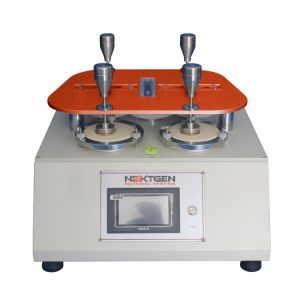
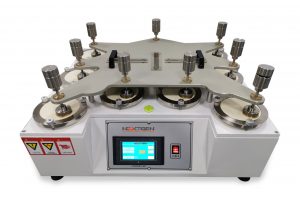
Common equipment: Martindale abrasion tester (single- or multi-station), specimen holders and abrading tables, calibrated loading weights, cycle counter and automatic stop control, standard abradant media and backing materials, cutting dies/templates for consistent specimen size, and a controlled conditioning environment when required by the governing standard.
If you are selecting a Martindale system (station count, automation level, hold-down options, weight sets, and consumables package), you can request a detailed quote for a configuration that matches your cited EN 388 / EN 530 abrasion requirement.
How to read this designation or revision
“BS EN 388/530” is commonly written as a combined reference to indicate that abrasion resistance is being evaluated using a Martindale-style method associated with EN 530, while the test result is being used within an EN 388 (protective gloves) mechanical performance context.
Revision sensitivity: Setup and reporting can change with the exact edition cited (for example, when an EN 388 revision adjusts how abrasion performance is defined or reported). For procurement documents and lab test plans, it is important that the purchase specification, test request, and final report all cite the same edition and any applicable amendments.
Related standards, methods, or frameworks
Depending on the product and the purchasing requirement, the abrasion method may be used or referenced alongside other PPE mechanical-performance tests and Martindale-family abrasion documents.
Common related references: BS EN 388 (protective gloves—mechanical risks performance framework), BS EN 530 (protective clothing material—abrasion test methods), and EN ISO 12947 (Martindale abrasion method family used widely for textiles).
Get help selecting a Martindale abrasion setup
If you are trying to map a client specification or certification target to a specific Martindale abrasion configuration (stations, holders, weights, consumables, and reporting expectations), contact our team with the exact standard citation and product type so the equipment scope matches your requirement.