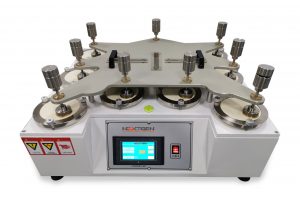
BS EN 3424/5690 is a legacy-style designation that is commonly used in textile and coated-fabric abrasion discussions to point to Martindale-type abrasion resistance testing workflows referenced in British Standards.
In practice, buyers and labs typically use this shorthand when they need abrasion resistance results aligned to (a) coated fabrics methods (commonly associated with BS 3424 Part 24 methods for abrasion resistance) and/or (b) general fabric abrasion resistance methods associated with BS 5690 (Martindale). If you need help mapping a customer or tender callout to the exact document and edition, contact our team.
BS EN 3424/5690 (Martindale abrasion reference used in textiles and coated fabrics)
This page covers how the “3424/5690” designation is typically used in abrasion testing workflows. It is most often connected to Martindale abrasion equipment and reporting for textiles, coated fabrics, and related product constructions.
Document type: Test method / method-based standard (abrasion resistance testing), usually implemented on Martindale abrasion equipment.
Quick Definition
“BS EN 3424/5690” is commonly treated as a callout for Martindale abrasion resistance testing, drawing on the BS 3424 coated-fabric abrasion methods and BS 5690 abrasion resistance method guidance for fabrics.
Common outputs: Cycles/rubs to a defined endpoint (e.g., breakdown, hole formation, coating wear-through) and/or appearance-based assessment, depending on the cited method and product requirement.
What This Standard Covers
When this designation is cited, it typically signals the need to evaluate abrasion resistance using controlled rubbing against an abradant under specified pressure, motion, and test intervals.
Depending on the exact referenced document and edition, the scope may include:
- Abrasion resistance assessment approaches for coated fabrics (including Martindale-based abrasion and, in some versions, an alternative rotary platform abraser approach).
- Abrasion resistance determination of fabrics using a method based on the Martindale machine, including practical guidance on use.
Important limitation: The test conditions (loads/pressure levels, abradant type, endpoints, specimen backing/underlay, and reporting) are requirement-specific and must be taken from the exact cited document and edition in the purchase spec, brand manual, or contract.
Why This Standard Matters in Testing
Abrasion performance is often a go/no-go quality attribute for upholstery, apparel, workwear, protective products, and coated technical textiles. Abrasion testing helps teams compare constructions, qualify suppliers, and monitor batch-to-batch durability under a standardized wear mechanism.
For coated fabrics specifically, abrasion can be tied to coating integrity (surface wear, coating loss, exposure of base cloth) rather than only yarn breakage, so aligning the method to the right document matters for meaningful acceptance decisions.
Common Materials, Product Types, or Applications Covered
This designation is most often seen around:
- Coated fabrics (rubber- or polymer-coated textiles used in industrial covers, tarpaulins, protective textiles, and technical laminates).
- Woven and knitted fabrics used in apparel and upholstery where Martindale abrasion results are used for durability benchmarking.
- Component-level materials used in footwear or gloves where abrasion resistance is checked using Martindale-type motion and loading.
Common Test or Verification Workflow
A typical lab workflow connected to this designation includes:
- Confirm the exact referenced document(s) and the acceptance endpoint (wear-through, hole formation, visual change rating, or a required number of cycles).
- Prepare circular specimens and mount them in the Martindale holders with any required backing/underlay.
- Run abrasion cycles under the specified pressure/load and with the specified abradant.
- Inspect at defined intervals and record cycles to endpoint and/or appearance outcomes as required.
Revision sensitivity: Small differences in method details (abradant, pressure, endpoints, specimen mounting) can materially change results, so test setup should be locked to the cited edition and any customer-specific deviation notes.
Equipment Commonly Used for This Standard
Most implementations of this callout point to Martindale abrasion equipment and its standard accessories. Common equipment and consumables include:
- Martindale abrasion (and often pilling) tester with the correct number of stations for throughput needs.
- Standard abradant fabric(s) and/or abrasive media required by the referenced method.
- Specified weights / loading system to achieve the required pressure on the specimen.
- Circular specimen cutters and cutting boards for repeatable sample preparation.
- Backing/underlay materials (when required by the method) and standard mounting hardware.
If you are selecting a Martindale configuration (station count, load set, holders, and consumables package), you can request a detailed quote matched to the materials you test and the editions you need to run.
How to Read This Designation or Revision
Practical reading: “3424/5690” is typically used as shorthand to indicate British Standard abrasion testing methods tied to BS 3424 coated-fabric testing methods (including abrasion methods) and BS 5690 abrasion resistance methods for fabrics using Martindale-based equipment.
Edition caution: These are legacy-numbered documents with withdrawals/supersessions across years. For example, BS 3424-24:1990 (Methods 27A/27B for abrasion resistance of coated fabrics) has been withdrawn, and BS 5690 has multiple editions with earlier versions superseded. Always match the exact year/edition cited in your contract, brand manual, or customer spec.
Related Standards, Methods, or Frameworks
Depending on your product and market, Martindale abrasion is also commonly specified via ISO methods (such as ISO 12947 series for abrasion and ISO 12945-2 for pilling), as well as customer/retailer methods. When a specification mixes “3424/5690” language with ISO callouts, the controlling requirement should be clarified before testing begins.
Talk with us about the right setup
If you need to run Martindale abrasion testing and want to align station count, load sets, holders, and consumables to a specific “3424/5690” callout (including coated-fabric versus general-fabric endpoints), talk with our team and share the exact referenced edition and acceptance criteria.