BS 6746:1990 is a British Standard specification for PVC compounds used as cable insulation and cable sheathing. It defines application-related classifications and sets out material requirements supported by defined test requirements.
If you need help aligning an older BS 6746 reference in a cable or compound datasheet with a modern acceptance plan and lab capability, talk with our team about your product, temperature class, and verification needs.
BS 6746:1990 — Specification for PVC insulation and sheath of electric cables
BS 6746 is used when cable designs (or PVC compound suppliers) need a clear, standards-based way to specify and verify PVC material suitability for insulation and sheath applications. It is primarily a material specification supported by test requirements, rather than a single stand-alone “one-test” method.
This standard is historically referenced across cable manufacturing and procurement where PVC compound performance must be demonstrated through physical and electrical property testing and basic appearance/colour controls.
Quick definition
Document type: Specification (with defined test requirements).
What it covers: PVC compounds intended for electric cable insulation and cable sheath use, including requirements and associated test methods.
What it’s used for: Material qualification, incoming QC of compound, and verification testing tied to cable build or customer specifications.
What this standard covers
BS 6746 addresses PVC materials used in two key cable functions: insulation (electrical separation) and sheathing (external protection). It includes requirements linked to application and service conditions, along with a set of test requirements for physical and electrical properties.
The document also includes methods related to insulation resistance constant (K value) and colour-related performance checks such as colour fastness to daylight and colour bleeding/blooming, which can be important where identification, appearance stability, or marking visibility matters.
Why this standard matters in testing
PVC cable compounds can pass basic “looks good” checks while still failing important performance criteria tied to ageing, deformation, tensile/elongation behavior, or electrical insulation characteristics. BS 6746 is commonly cited to make those expectations testable and reportable.
For labs and QA/QC teams, the standard helps translate a compound designation into a repeatable verification plan—so production batches, alternative formulations, or new suppliers can be assessed consistently.
Common materials, product types, or applications covered
BS 6746 is most often encountered in relation to:
- PVC compounds supplied for cable insulation layers
- PVC compounds supplied for cable outer sheaths
- Finished cables where a customer or project specification calls up BS 6746 material compliance
In practice, it may be referenced by cable manufacturers, compound producers, or end users specifying performance of PVC-based insulating and sheathing materials used in electrical and instrumentation cable constructions.
Common test or verification workflow
Because BS 6746 is a specification supported by test requirements, testing is typically run as a qualification and/or batch-release workflow rather than a one-off characterization.
Common workflows: Material qualification against a stated PVC compound type, incoming QC verification of compound batches, and periodic conformance testing tied to production control plans.
Typical result types: Physical property performance (e.g., strength/elongation style metrics and deformation-related checks), electrical property verification, and colour-related evaluations where applicable.
Equipment commonly used for this standard
Equipment selection depends on whether you are testing insulation-grade compound, sheath-grade compound, or finished cable material extracted for material checks. In most labs, the work maps to a blend of physical testing, conditioning/ageing, and electrical measurement setups.
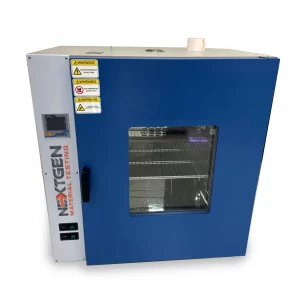
Common equipment: Universal testing machines for tensile/elongation-style measurements; thickness/measurement tools for specimen dimensional control; conditioning ovens or temperature-controlled equipment for ageing/conditioning steps; electrical test instruments for insulation-resistance-related measurements; and light exposure apparatus when colour fastness to daylight is part of the verification plan.
If you are quoting equipment, the practical constraint is usually specimen form and throughput: compound sheets vs. insulation/sheath cut from finished cable, number of replicates per batch, and whether controlled conditioning and colour testing are required alongside mechanical and electrical checks.
How to read this designation or revision
Designation format: BS 6746:1990 refers to the British Standard number (6746) and the publication year (1990).
Status note: BS 6746:1990 was withdrawn on 15 December 2000, so many modern specifications replace it with other documents. When a contract, drawing, or legacy datasheet cites BS 6746, it is important to confirm the exact edition cited and whether the requirement is for historical compliance, equivalence, or re-qualification to a current standard family.
Related standards, methods, or frameworks when useful
BS 6746 is commonly encountered as a legacy reference that was later superseded by the BS 7655 series covering insulating and sheathing materials for cables. If you need to modernize a requirement, the key task is usually mapping the old compound callout and test expectations to the applicable BS 7655 part(s) specified by the customer or regulatory context.
Get help selecting an equipment and testing package for BS 6746 work
If you’re building a verification setup for PVC cable compounds (mechanical + electrical + conditioning, and optionally colour testing), you can request a detailed quote with the test scope, sample form, and throughput you need, and we’ll size a practical system configuration for your lab.