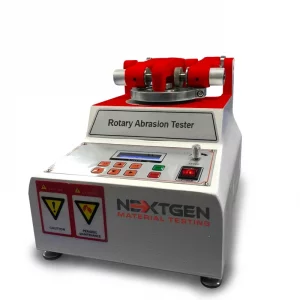
ASTM F1978 is a test method used to quantify abrasion resistance of metallic thermal spray coatings on flat metal specimens using a rotary abraser, with wear reported as cumulative weight loss.
It is commonly referenced for coatings used on surgical implants where abrasion-driven particle shedding is a concern. If you need help mapping your sample geometry and coating system to the method’s limits, talk with our team.
ASTM F1978-22 Standard Test Method for Measuring Abrasion Resistance of Metallic Thermal Spray Coatings by Using the rotary abraser
ASTM F1978 describes a controlled, repeatable abrasion test intended for metallic thermal spray coatings on flat, rigid metallic substrates. The rotary abraser applies a combined rolling/rubbing action, and the result is typically tracked as cumulative mass (weight) loss over a defined number of cycles.
This method is frequently used to support coating characterization and process control when a coating’s tendency to shed particles under abrasion is an important performance risk.
Quick Definition
Document type: Test method (abrasion / wear screening by mass loss).
Measured outcome: Cumulative weight loss of the coating system after rotary abrasion cycles.
Typical decision use: Comparing coating process conditions, surface preparation, and post-treatments; establishing internal acceptance trends for particle-shedding susceptibility.
What This Standard Covers
ASTM F1978 is focused on metallic thermal spray coatings tested on flat plate-shaped metallic specimens. It is intended to quantify abrasion resistance as a way to characterize coatings used on surgical implants.
The method is limited to rigid, flat specimens and is not generally intended for contoured or device-shaped parts where the abrading wheels could run off the surface or where contact conditions would not match the method’s setup.
Why This Standard Matters in Testing
For many implant coating programs, abrasion resistance is not only a durability metric—it can also be a proxy indicator for the likelihood of particle shedding during insertion or during post-implant micromotion. ASTM F1978 provides a structured way to generate comparable data when evaluating coating robustness under a defined rotary abrasion condition.
Because results can be sensitive to the exact abrader configuration and how mass loss is measured and handled, it is important to match your equipment configuration and reporting format to the edition specified by your customer, protocol, or regulatory file.
Common Materials, Product Types, or Applications Covered
This method is most commonly associated with metallic thermal spray coatings applied to metal substrates for orthopedic and related surgical implant applications where coating integrity and particle generation are important.
It is also used in R&D and manufacturing to compare the effect of variables such as substrate preparation, coating process parameters, surface texture, and post-coating treatments on abrasion-driven mass loss.
Common Test or Verification Workflow
ASTM F1978 is typically run as a comparative abrasion test with controlled, repeatable contact conditions. The method’s core workflow generally includes weighing the specimen, abrading for a defined number of cycles, and re-weighing at intervals to calculate cumulative weight loss.
Common workflow steps: Flat coated specimen preparation and identification; initial mass measurement; rotary abrasion run for specified cycles/settings; periodic mass measurements; calculation and reporting of cumulative weight loss (often plotted versus cycles).
Practical caution: Small differences in specimen cleanliness, debris removal, and balance resolution can materially affect reported mass loss—so the weighing and handling approach should be consistent with the cited edition and your internal SOP.
Equipment Commonly Used for This Standard
ASTM F1978 is strongly tied to a rotary abraser-style rotary abrasion platform and supporting mass measurement equipment. Most labs configure the system so the abrading wheels remain fully on the specimen surface throughout the test.
Common equipment: rotary abraser (rotary abraser) with the appropriate specimen platform/hold-down; abrasion wheels and applied load accessories consistent with the cited edition; debris collection/vacuum system if used by the specified setup; analytical balance with suitable readability for small mass changes; basic lab tools for consistent specimen cleaning, drying, and handling.
If you are equipping a lab for this method and need to match wheel/load options, balance readability, and fixture capacity to your sample size, you can request a detailed quote for a configuration aligned to your workflow.
How to Read This Designation or Revision
ASTM standards are commonly cited with a year suffix that identifies the edition being used (for example, ASTM F1978-22). Procurement documents, test reports, and regulatory submissions may require a specific edition, so it is good practice to record the full designation exactly as cited.
Revision sensitivity: Abrader settings, specimen geometry limitations, and reporting details can change between editions. Always align your equipment setup, SOP, and report format to the exact year version called out by your customer or internal protocol.
Need help configuring abrasion testing for ASTM F1978?
If you want help selecting a rotary abraser configuration and supporting metrology (balance resolution, sample holding, and repeatable handling practices) for ASTM F1978 work, contact our team with your coating type, specimen size, and the edition you are required to follow.