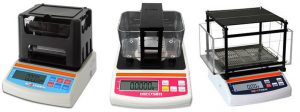
ASTM D792 covers laboratory test methods for determining the density and specific gravity (relative density) of solid plastics using a liquid-displacement (buoyancy) approach.
It is widely used for material identification, lot-to-lot consistency checks, and tracking physical changes in plastics caused by formulation shifts, crystallinity differences, fillers, or processing history. If you need help aligning your sample form and liquid selection to the correct method within D792, talk with our team.
Standard Test Methods for Density and Specific Gravity (Relative Density) of Plastics by Displacement
ASTM D792 is a test-method document focused on measuring density and specific gravity for solid plastic materials (for example molded pieces, sheet, rod, and tube). The standard describes more than one procedure depending on the immersion liquid used.
Because density results can be sensitive to temperature control, liquid choice, and specimen condition, equipment configuration and day-to-day technique matter as much as the balance resolution.
Quick Definition
ASTM D792 in one line: A buoyancy (displacement) method for determining density and specific gravity of solid plastics by weighing a specimen in air and in an immersion liquid.
What This Standard Covers
ASTM D792 applies to solid plastics and describes determination of density and specific gravity (relative density) for common product forms such as sheets, rods, tubes, and molded items.
The standard includes two test methods: one for testing in water and one for testing in liquids other than water. This distinction is important when a material’s buoyancy, wetting behavior, or interaction with water makes an alternate liquid more appropriate.
Why This Standard Matters in Testing
Density/specific gravity is commonly used as a fast check on material identity and uniformity, and it can help indicate physical or compositional changes within a plastic (for example differences tied to crystallinity, porosity, or additive/filler content).
In manufacturing and incoming inspection, D792 results are often used to support acceptance decisions, investigate process drift, or validate that a compound or molded part matches a target material baseline.
Common Materials, Product Types, or Applications Covered
ASTM D792 is typically applied to solid plastic specimens including molded parts, extruded shapes (rod/tube), and cut specimens from sheet or plaque.
It is frequently referenced anywhere plastics are purchased or qualified by physical properties (for example resin QC, compound verification, finished-part QA/QC, and R&D comparisons between formulations).
Common Test or Verification Workflow
Most D792 workflows follow a straightforward sequence: prepare a representative solid specimen, condition it as required, measure mass in air, measure apparent mass while immersed in the specified liquid, and calculate density and/or specific gravity from the buoyancy relationship.
Common workflow choices: Selecting the appropriate D792 method (water vs. other liquid), ensuring stable liquid temperature, and using a consistent immersion/suspension approach to minimize handling effects and trapped air.
Equipment Commonly Used for This Standard
ASTM D792 is commonly performed using a precision laboratory balance configured for hydrostatic (below-balance) weighing or an equivalent density-determination setup.
Common equipment and accessories: Analytical or precision balance, density determination kit (immersion beaker/container, suspension hardware), sinker and suspension wire/filament for low-density plastics, temperature measurement/control for the immersion liquid, and suitable immersion liquids (water for Method A; alternate liquids for Method B).
Practical buying note: Quoting the right configuration often depends on your specimen mass range, whether your plastics float, and whether you plan to run water or alternate liquids. If you are outfitting a lab station for routine D792 testing, you can request a detailed quote for a balance and immersion-kit package matched to your throughput and sample types.
How to Read This Designation or Revision
ASTM D792 is the standard designation. When a year is appended (for example, ASTM D792-20), the suffix identifies the edition year of the cited standard.
For purchasing, compliance, or audit purposes, it is good practice to specify the exact cited edition on drawings, control plans, and test reports so your lab setup and reporting align to the same revision as your customer or internal requirement.
Related Standards, Methods, or Frameworks when useful
ISO 1183-1 is commonly discussed alongside ASTM D792 for plastics density determination. However, D792 notes it is not equivalent to ISO 1183-1 Method A, so requirements should be matched to the exact standard and method called out in your specification.
Get help configuring ASTM D792 testing
If you are standardizing a density/specific gravity station for plastics and need help selecting a balance class, immersion hardware, or float-sample accessories, contact our team with your specimen form, approximate mass, and the exact D792 edition you need to cite.