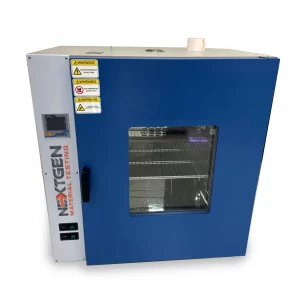
ASTM D573 is a rubber aging test method used to evaluate how vulcanized rubber properties change after exposure to elevated temperature in an air oven. It is commonly used for comparative compound screening, quality control, and durability checks on rubber parts and materials.
The standard defines an accelerated thermal-oxidative aging exposure in air, followed by physical-property measurements before and after aging using appropriate rubber test methods. If you need help aligning your oven setup, exposure conditions, and post-aging measurements to the edition referenced in your customer or internal specification, you can contact our team.
ASTM D573-04(2025) Standard Test Method for Rubber—Deterioration in an Air Oven
ASTM D573 is a test method that covers a procedure for determining the influence of elevated temperature on the physical properties of vulcanized rubber using an air-oven aging exposure.
Because it is an accelerated exposure, results are often used for laboratory comparison of compounds or material lots, and they may not directly predict service life under all real-world conditions.
Quick Definition
What it is: A controlled hot-air oven aging procedure for vulcanized rubber.
What it measures: Change in physical properties after aging (typically reported as property values before/after and percent change).
What it’s used for: Comparing rubber compounds, verifying batch-to-batch consistency, and checking heat-aging resistance for rubber components.
What This Standard Covers
ASTM D573 establishes a way to expose rubber specimens to an elevated temperature in air for a specified duration, then evaluate how key physical properties deteriorate due to thermal and oxidative aging.
It is intended to assess heat-aging resistance under defined accelerated conditions rather than to replicate a specific service environment.
Why This Standard Matters in Testing
Rubber components often need to maintain performance after prolonged heat exposure. ASTM D573 supports decisions such as material selection, compound optimization, and incoming/outgoing quality verification by providing a consistent aging exposure that can be applied across labs and production sites.
For many rubber products, the post-aging change (for example, loss of strength, changes in elongation behavior, or hardness shift) is a practical acceptance indicator tied to customer requirements or internal engineering limits.
Common Materials, Product Types, or Applications Covered
This test method is commonly applied to vulcanized rubber materials and rubber-containing products where heat-aging resistance is important, such as seals, gaskets, hoses, molded rubber parts, vibration isolators, and similar elastomeric components.
Because the method focuses on aging exposure, it is often paired with the specific physical-property test(s) that best match the product’s functional risks.
Common Test or Verification Workflow
ASTM D573 is typically used as an exposure-and-compare workflow.
Common workflows: (1) Prepare vulcanized rubber test pieces, (2) measure baseline physical properties, (3) age specimens in a controlled air oven at the specified temperature and time, (4) condition/cool specimens as required, (5) re-test the selected properties, and (6) report the change relative to the original values.
When D573 is used for QC release or supplier qualification, labs often treat the oven exposure controls (temperature uniformity, airflow characteristics, loading practices, and timing) as the critical variables to standardize.
Equipment Commonly Used for This Standard
ASTM D573 primarily drives selection and configuration of thermal aging equipment. The physical-property measurements after aging typically rely on separate test instruments matched to the properties being evaluated.
Common equipment: Air-oven / thermal aging oven with controlled setpoint and stable temperature performance; specimen racks or holders suitable for rubber coupons; calibrated temperature sensing/verification tools; timers and handling tools for consistent loading/unloading.
Common follow-on test equipment (property-dependent): Rubber physical-property test instruments used to measure the chosen before/after properties (for example, tensile/elongation systems and/or hardness measurement equipment, depending on the requirement).
If you are specifying a new aging oven or upgrading controls for repeatability across multiple temperatures and dwell times, you can request a detailed quote for an oven configuration matched to your rubber aging workload.
How to Read This Designation or Revision
ASTM standards are identified by a letter-and-number designation (for example, D573) and a year date. The year following the designation indicates the year of original adoption or the most recent revision. A year date in parentheses indicates the year of last reapproval.
For example, ASTM D573-04(2025) indicates the standard was last revised in 2004 and later reapproved in 2025. When a customer specification cites an edition, align your lab’s procedure, reporting expectations, and any referenced property test methods to that exact cited edition.
Related Standards, Methods, or Frameworks
Rubber aging requirements are often part of a larger verification plan that may include additional heat/oxygen exposure methods and separate physical-property test methods for before/after measurements. ASTM D573 is commonly used when a hot-air oven exposure is specified as the aging condition.
When a procurement document or drawing references multiple aging options, the practical difference is usually the exposure environment (air oven versus other accelerated environments) and the property set used to judge deterioration.
Get help selecting an ASTM D573 aging-oven setup
If you’re building a rubber heat-aging workflow around ASTM D573 and need to match chamber size, temperature performance, controls, and verification tools to your throughput and documentation needs, ask for a quote and we’ll size a system to your lab’s day-to-day testing.