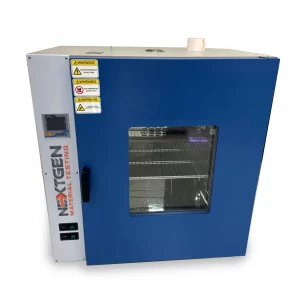
ASTM D5423 is a specification for forced-convection, ventilated, electrically heated laboratory ovens used to support thermal endurance evaluation of electrical insulating materials.
It is typically used when a lab or manufacturer needs an oven with defined ventilation behavior and temperature performance so aging exposures are controlled and repeatable across long test durations. If you need help matching an oven configuration to the exact edition and oven type cited in your requirement, contact our team.
ASTM D5423 — Standard Specification for Forced-Convection Laboratory Ovens for Evaluation of Electrical Insulation
ASTM D5423 defines performance-oriented requirements for forced-convection, ventilated, electrically heated ovens intended for thermal endurance (thermal aging) evaluation work on electrical insulating materials.
Unlike a material test method that produces a single mechanical property, this specification is primarily used to qualify and select the oven itself so that aging exposures can be run with controlled ventilation and temperature behavior.
Quick Definition
Document type: Specification (laboratory equipment performance requirements).
In simple terms: It tells you what a forced-convection, ventilated lab oven must be capable of (and how key characteristics are evaluated) when the oven is being used for thermal endurance evaluation of electrical insulation.
| Key item | What ASTM D5423 addresses |
|---|---|
| Oven technology | Forced-convection, ventilated, electrically heated laboratory ovens |
| Intended use | Thermal endurance evaluation of electrical insulating materials |
| Typical operating range | All or part of a range from 20 °C above ambient to 500 °C |
| Oven classification concept | Type I vs Type II classification based on ventilation behavior |
What This Standard Covers
ASTM D5423 covers ovens used for thermal aging/thermal endurance evaluation, where both heat and air exchange can influence aging rates and repeatability.
It classifies ovens by ventilation type (Type I and Type II) and points to defined evaluations of characteristics such as ventilation rate, set temperature behavior, temperature variation, and thermal lag time.
Why This Standard Matters in Testing
For electrical insulation thermal endurance programs, differences in oven airflow and temperature behavior can change exposure severity, impact lot-to-lot comparability, and complicate comparisons between labs.
Using an oven that is selected and characterized to a recognized specification helps reduce disputes about whether a change in results is due to the material or due to the exposure environment.
Common Materials, Product Types, or Applications Covered
ASTM D5423 is used in labs and manufacturing QA/R&D programs that run thermal aging on electrical insulating materials and related constructions where controlled oven exposure is required.
Typical use cases: qualification or comparison testing tied to thermal endurance evaluation programs, and procurement specifications for ovens used in electrical insulation aging workflows.
Common Test or Verification Workflow
This standard is most often used as an equipment qualification and compliance reference rather than a standalone “material test.”
Common workflow: (1) identify the oven type required (Type I vs Type II as cited by the program or customer), (2) select an oven designed for forced convection and controlled ventilation, (3) perform the required oven evaluations using the referenced procedures, and (4) document oven performance and maintain calibration/verification as part of the lab quality system.
Equipment Commonly Used for This Standard
The core equipment is a forced-convection, ventilated, electrically heated laboratory oven capable of the temperature range required by the thermal endurance program.
Common equipment elements: forced-air circulation and adjustable ventilation/exhaust arrangement, temperature controller with stable setpoint control, independent temperature measurement capability for verification work, and practical features for long-duration aging runs (safe continuous operation, recording/monitoring options, and appropriate internal volume for the specimen load).
Because D5423 relies on evaluating oven characteristics, many labs also use multi-point temperature sensing (for mapping/variation checks) and data capture tools to support internal qualification records.
How to Read This Designation or Revision
“ASTM D5423” is the base standard designation. A suffix such as “D5423-23” indicates a specific published edition year, and requirements can differ between editions.
Revision sensitivity: Oven classification, acceptance criteria, and the referenced evaluation methods should be aligned to the exact edition year cited in your purchase specification, quality manual, or customer requirement.
Related Standards, Methods, or Frameworks when useful
ASTM D5423 is closely tied to an associated ASTM test method used to evaluate key oven characteristics for this application.
Common companion references: ASTM D5374 (procedures used to evaluate forced-convection laboratory ovens for this application). ASTM D5423 also references alignment concepts with IEC 60216-4-1 for Type I requirements and notes replacement history involving Specification D2436.
Get help selecting an ASTM D5423 oven configuration
If you are specifying a forced-convection aging oven for an electrical insulation thermal endurance program, you can request a detailed quote for an oven package sized and configured to your temperature range, ventilation needs, and documentation expectations.