ASTM D4543 is a set of standard practices used to prepare rock core as cylindrical test specimens and verify that specimen dimensions and end-surface geometry meet defined tolerances before strength and deformation testing.
If you need help aligning your specimen-prep workflow with the specific test method you plan to run (and the edition year cited in your project documents), talk with our team about the right preparation and measurement approach for your rock type and load frame.
ASTM D4543 — Standard Practices for Preparing Rock Core as Cylindrical Test Specimens and Verifying Conformance to Dimensional and Shape Tolerances
ASTM D4543 focuses on specimen preparation quality and geometry verification for cylindrical rock core. It is commonly applied as a front-end QA step prior to running mechanical property tests where poor end preparation or out-of-tolerance geometry can introduce bending, stress concentrations, and non-uniform loading.
This is a “practices” document (not a single mechanical-property test). It supports other rock testing standards by defining how to measure and check specimen geometry and how to document specimen condition when ideal preparation is not practical.
Quick Definition
Document type: Standard practices (specimen preparation and tolerance verification).
Primary purpose: Prepare cylindrical rock core specimens and check dimensional and shape tolerances (including end condition) prior to mechanical testing.
Typical outcome: A specimen that meets stated tolerances, or a “best effort” specimen with measured deviations documented for reporting.
What This Standard Covers
ASTM D4543 describes procedures to measure specimen length and diameter and evaluate whether those dimensions conform to established standards for cylindrical rock core specimens. It also addresses tolerance checks related to specimen geometry and end-surface quality that influence how load is introduced during subsequent tests.
It recognizes that some rock types (for example, weaker, porous, poorly cemented, or highly featured materials) may be difficult to prepare to ideal criteria. In those cases, it emphasizes preparing to the highest practical standard and reporting the specimen dimensions and condition accordingly.
Why This Standard Matters in Testing
For intact rock testing, specimen geometry and end preparation have an outsized impact on result quality. End flatness and perpendicularity affect platen contact, load alignment, and the likelihood of eccentric loading—issues that can be more pronounced when testing strong rock or when using stiff load frames and certain platen/seating configurations.
Using ASTM D4543 as a documented preparation and inspection step helps labs improve repeatability, identify specimens that may bias results, and maintain clearer traceability between specimen condition and reported rock properties.
Common Materials, Product Types, or Applications Covered
ASTM D4543 is used for cylindrical specimens made from rock core obtained from drilling or from larger rock samples that are cored to create test specimens.
Common use cases: Geotechnical and geological investigations, mining and tunneling projects, dam/foundation rock characterization, petroleum/reservoir geomechanics programs, and any lab program running intact rock strength or deformation testing where specimen geometry needs to be controlled and reported.
Common Test or Verification Workflow
ASTM D4543 is typically performed as a sequence of preparation and inspection steps before the primary mechanical test.
Common workflow: (1) Core or select cylindrical rock core specimens, (2) trim/cut to target length and finish ends, (3) measure length and diameter, (4) check geometry and end condition against tolerance requirements, (5) document any deviations and specimen moisture condition requirements used for the test program, and (6) proceed to the referenced mechanical property test method using specimens that meet requirements or are clearly reported as best effort.
Equipment Commonly Used for This Standard
Because ASTM D4543 is a preparation and conformance-check document, the equipment set usually includes cutting/finishing tools plus inspection and metrology tools. Exact choices depend on rock hardness/abrasiveness, specimen diameter, and the tolerance limits required by the downstream test method and load-frame configuration.
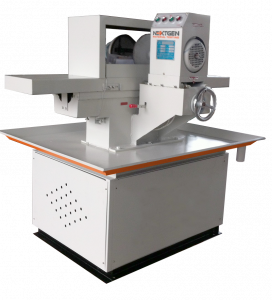
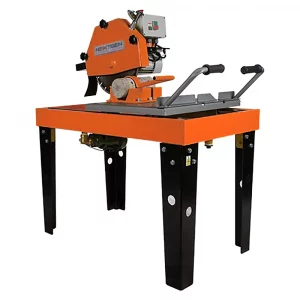
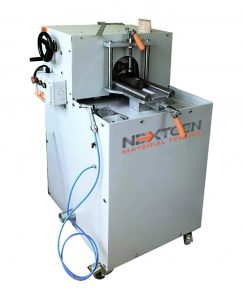
Common specimen preparation equipment: Rock core saws or trim saws, end-face grinding equipment (for example, surface grinders) and/or lapping equipment, fixtures for holding cylindrical specimens during end finishing, and cleaning equipment appropriate for the rock type and shop safety practices.
Common measurement and tolerance-check equipment: Calipers and/or micrometers for diameter, length measurement tools suitable for cylindrical cores, and inspection setups to evaluate end flatness and end perpendicularity (often using gauges/indicators and stable reference surfaces).
If you are specifying a grinder/lapping system, measurement approach, or fixtures to meet a particular lab tolerance target, you can request a detailed quote for a configuration matched to your core sizes and throughput.
How to Read This Designation or Revision
Designation: “ASTM D4543” identifies the standard within ASTM’s D-series.
Revision year suffix: ASTM standards are often cited with a hyphen and year (for example, D4543-19). The year is important because requirements, notes, referenced documents, and reporting expectations can change by edition. When quoting equipment or writing procedures, match the exact edition year cited by your contract documents or test plan.
Related Standards, Methods, or Frameworks
ASTM D4543 is commonly used alongside other rock testing standards because it addresses specimen preparation and tolerance checks rather than a single property test.
Commonly referenced within the workflow: ASTM Practices D5079 (curation/handling considerations for rock core and samples) and ASTM Practice D6026 (significant digits and rounding guidance for reporting), plus the specific mechanical test method(s) your program is running.
Get help selecting a specimen-prep and measurement setup
Whether you are equipping a rock mechanics lab or tightening QA on an existing workflow, we can help map ASTM D4543 expectations to practical equipment choices for your specimen sizes, rock types, and load-frame configuration. To compare options and pricing, request a quote.