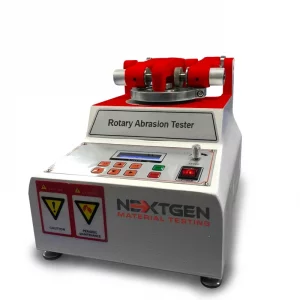
ASTM D4060 is an ASTM standard test method used to evaluate the abrasion resistance of organic coatings using a rotary abraser. It is commonly specified for coatings applied to rigid, flat panels where comparative wear performance needs to be demonstrated under controlled rotary abrasion.
Because abrasion results can be sensitive to abrasive wheel condition, debris removal, and how wear is tracked (mass loss and/or thickness change), many labs treat ASTM D4060 as an equipment-and-procedure alignment exercise as much as a reporting requirement. If you need help matching your coating system and acceptance criteria to an appropriate D4060 setup, talk with our team.
ASTM D4060-25: Standard Test Method for Abrasion Resistance of Organic Coatings by the rotary abraser
ASTM D4060 is a test method focused on abrasion damage to organic coatings caused by the rotary abraser. It is widely used for internal QA/QC comparisons, product qualification, and durability benchmarking of coating systems on rigid substrates.
The method is intended for coatings on plane, rigid surfaces (commonly coated metal panels), and it provides a practical way to compare coating wear behavior under standardized rotary abrasion conditions.
Quick definition
ASTM D4060 is a rotary abraser-based procedure for measuring how an organic coating wears when subjected to controlled, rotating abrasion on a rigid, flat test panel.
Typical outputs: Abrasion performance expressed through measured loss (often mass loss and/or coating thickness change) after a defined number of cycles, using defined wheels/loads and conditioning practices specified in the standard.
What this standard covers
This standard covers the determination of abrasion resistance of organic coatings using the rotary abraser, with the coating applied to a rigid, flat surface. The method is designed to create repeatable abrasion on a rotating specimen under controlled loading and abrasive action.
ASTM D4060 is written around a specific abrasion mechanism (rotary abrasion with abrasive wheels) and is best used for comparative evaluation of coatings tested under the same agreed conditions.
Why this standard matters in testing
Coatings can be damaged by abrasion during service, and ASTM D4060 provides a standardized way to compare how different coating systems resist that wear. It is frequently used to support decisions around coating selection, product changes, supplier qualification, and durability claims that require a recognized test method.
The standard also highlights that rotary abrasion results can vary when wheel characteristics change during testing (for example, through clogging or breakdown), so controlling wheel condition and debris removal is a key part of producing consistent results.
Common materials, product types, or applications covered
ASTM D4060 is most commonly used for organic coatings applied to rigid substrates, such as:
- Paints and industrial coating systems applied to metal panels
- Powder coatings and other factory-applied organic finishes evaluated on flat coupon panels
- Protective and decorative coating systems where abrasion resistance is a key performance attribute
It is most appropriate when the coated surface can be prepared as a flat, rigid specimen that can be mounted to the rotary abraser turntable.
Common test or verification workflow
Most ASTM D4060 workflows follow a controlled, repeatable sequence that links coating preparation to instrument setup and reporting.
Common workflow: Prepare coated rigid panels → condition/prepare specimens as required by the controlling specification → run rotary abrasion for an agreed number of cycles using the specified abradant wheels and applied loads → track wear at defined intervals and at test completion → report abrasion loss using the reporting approach required by the customer or procurement specification.
When buyers reference ASTM D4060 in procurement documents, the most important clarification items are typically the wheel/abradant selection, the applied load, the number of cycles, and the reporting basis (mass loss, thickness change, or other agreed metrics).
Equipment commonly used for this standard
ASTM D4060 is equipment-forward: results depend heavily on having a properly configured rotary abrasion system and maintaining consistent abrasive action.
Common equipment: rotary abraser (rotary abraser) with turntable specimen mounting, calibrated loads, compatible abrasive wheels/abradants specified by the test plan, and a debris removal/vacuum system used to keep the abrasion interface consistent.
For labs building a compliant setup, selection usually centers on load capability, repeatable cycle counting/speed control, stable specimen fixturing for flat panels, and a practical approach to wheel resurfacing and debris management over long cycle counts. If you are configuring a system for production testing throughput, you can request a detailed quote for a rotary abrasion setup matched to your specimen size and cycle-volume needs.
How to read this designation or revision
ASTM D4060 is typically cited with a year suffix (for example, D4060-25) to identify the edition being used. In purchasing documents, quality plans, and customer specifications, that year matters because permitted options, reporting expectations, and procedural details can change across revisions.
Revision sensitivity: For quoting or method setup, confirm the exact cited edition and any purchaser-specified choices (wheels, loads, cycles, and reporting basis) before locking down test conditions.
Related standards, methods, or frameworks
ASTM D4060 is often referenced alongside other abrasion-related methods when teams need correlation or alternate abrasion mechanisms.
- ASTM D968 — a falling abrasive method that ASTM D4060 discusses in terms of historical correlation of ratings.
- ISO 7784-2 — noted by ASTM as similar in content, but not technically equivalent.
Get help selecting a D4060-ready abrasion setup
If you need to align ASTM D4060 to a specific coating system, specimen format, or purchasing specification, contact our team to discuss the edition, configuration choices, and a practical equipment path for your lab.