ASTM D3597 is a performance specification used to evaluate woven upholstery fabrics (plain, tufted, or flocked) intended for new indoor furniture. It sets out a practical set of performance requirements and points to standardized test methods typically used to check strength, durability, appearance retention, and colorfastness.
If you need help determining whether D3597 fits your fabric type (or whether exclusions apply), you can talk with our team about your material and the verification plan.
ASTM D3597 — Standard Performance Specification for Woven Upholstery Fabrics—Plain, Tufted, or Flocked
ASTM D3597 is written as a performance specification rather than a single stand-alone test method. In practice, it is used as a requirements document: it defines what properties should be evaluated for indoor woven upholstery fabrics and references established methods for running those evaluations.
This standard is commonly used by upholstery fabric producers, furniture manufacturers, and QA/QC labs to support product qualification, purchasing specifications, and ongoing lot-to-lot checks.
Quick Definition
ASTM D3597 defines performance requirements for certain woven upholstery fabrics used in new indoor furniture and identifies the types of testing typically used to verify compliance (for example: strength, tear resistance, abrasion resistance, dimensional change, colorfastness, and other end-use-related checks).
What This Standard Covers
ASTM D3597 covers woven upholstery fabrics used for manufacturing new indoor furniture, including plain woven fabrics as well as tufted or flocked woven constructions. Where applicable, requirements consider both fabric directions (warp and filling) for direction-sensitive properties.
Not covered: This specification excludes upholstery fabrics intended for outdoor/porch/deck/lawn furniture and excludes knitted fabrics, bonded or laminated fabrics, and surface-coated fabrics (for example, vinyls and urethanes).
Why This Standard Matters in Testing
Upholstery performance problems often show up as seam opening, tearing, premature wear from rubbing, shrinkage after exposure to moisture/cleaning, or unacceptable color change/transfer. ASTM D3597 helps teams translate those real-world risks into measurable, repeatable acceptance criteria.
Because it is a performance specification, the details that matter most operationally are the exact property list, the referenced test methods (and their options), the direction(s) tested, and the acceptance levels used for the end-use category. Those choices directly affect equipment configuration, specimen preparation, and reporting.
Common Materials, Product Types, or Applications Covered
ASTM D3597 is typically applied to woven upholstery fabrics used on indoor seating and similar upholstered furniture where appearance and durability must be maintained under repeated use.
Common product context: indoor residential or commercial upholstered furniture fabrics supplied as roll goods and later cut/sewn and applied over cushioning and frames.
Common Test or Verification Workflow
Labs and quality teams commonly use ASTM D3597 as a “requirements map” and then run the referenced evaluations to generate a compliance package for a fabric style.
Common workflow: (1) identify the fabric construction and intended end use, (2) confirm that D3597 applies (and that exclusions do not), (3) select the required properties and referenced methods in the standard, (4) test specimens in the required direction(s), and (5) report results against the acceptance requirements used for the purchase specification or internal qualification.
Equipment Commonly Used for This Standard
Because ASTM D3597 is a performance specification, equipment selection depends on which referenced property tests you need to run. Most programs involve multiple instruments rather than a single test machine.
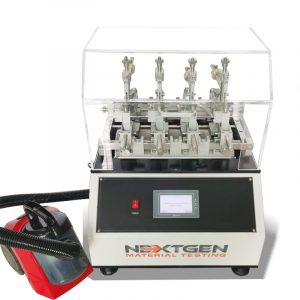
Common equipment families: universal testing machines (for fabric strength and related tensile-based evaluations), tear testing equipment (depending on the referenced tear method), abrasion resistance testers (for surface wear evaluation), dimensional stability/conditioning capability (controlled conditioning space and measuring tools), and colorfastness-related apparatus and rating tools used with the selected color exposure/transfer evaluations.
If you are building a lab capability around D3597 and want to align machine capacity, grips/fixtures, and abrasion test configuration to your required test list, you can request a detailed quote for an equipment package matched to your upholstery workflow.
How to Read This Designation or Revision
ASTM standards may be cited with a base designation (D3597) plus a year and reapproval information. In common ASTM citation practice, the number following the designation indicates the year of original adoption or the year of last revision; a year shown in parentheses indicates the year of last reapproval. Some versions may also include editorial-change notation.
Revision sensitivity: When D3597 is cited in a purchasing document, matching the exact cited edition matters because requirements tables, referenced methods, and reporting expectations can change between revisions and reapprovals.
Related Standards, Methods, or Frameworks when useful
ASTM D3597 is commonly used alongside other textile test methods and terminology references that support the required performance evaluations (for example, textile terminology standards and specific methods for abrasion resistance and tear strength). It may also be used in programs that include flammability checks and labeling/consumer-information requirements, depending on the product’s market and claims.
Practical note: If a customer specification lists D3597 plus additional tests (or calls out a specific abrasion method), align the equipment and test plan to the complete requirement set—not just the D3597 designation.
Get help selecting a D3597-ready test setup
If you’re equipping a lab or updating fixtures to support ASTM D3597 evaluations (strength, tear, abrasion, dimensional stability, and appearance/color performance checks), contact our team to discuss the specific properties you need to cover and the best equipment configuration for your throughput and reporting requirements.