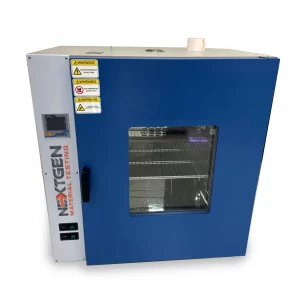
ASTM D2436 is a withdrawn ASTM specification that was used to define performance-oriented requirements for forced-convection laboratory ovens used in electrical insulation work, including heat aging and thermal endurance evaluation programs.
If you are dealing with a legacy drawing, procurement note, or test plan that still cites ASTM D2436, we can help you interpret what the citation is trying to control and how to align it to current oven-specification and verification expectations—talk with our team.
ASTM D2436 — Standard Specification for Forced-Convection Laboratory Ovens for Electrical Insulation (Withdrawn)
ASTM D2436 was written for laboratories and manufacturers that need consistent, repeatable oven exposure conditions when evaluating electrical insulating materials. While the document itself is no longer active, it still appears in older documentation and internal procedures.
In many cases, the practical need behind a D2436 reference is to control oven temperature capability, circulation/ventilation behavior, and temperature stability/uniformity so aging results are comparable across lots, labs, and time.
Quick Definition
ASTM D2436 is a withdrawn ASTM specification for forced-convection laboratory ovens used in electrical insulation evaluation, historically referenced to reduce variability in thermal aging exposures by setting equipment-oriented requirements.
What This Standard Covers
As a specification (not a material test method), ASTM D2436 focused on the oven itself—what an oven must be able to do to support electrical insulation evaluation work. The intent is to define oven characteristics that materially impact test outcomes, rather than telling you how to test a specific insulation product.
Primary focus: Forced-convection oven performance for electrical insulation applications (for example, controlled heat exposure and aging programs where airflow and temperature uniformity affect results).
Status note: ASTM D2436 was withdrawn (1994). Legacy references are commonly addressed by using successor documents for oven specification and/or oven performance verification.
Why This Standard Matters in Testing
For electrical insulation evaluations, the oven is part of the measurement system. If the chamber does not deliver stable and sufficiently uniform exposure conditions, then aging time-to-endpoint and thermal endurance conclusions can shift—even when specimens and procedures are unchanged.
ASTM D2436-style oven requirements are most relevant when you need to reduce lab-to-lab differences, support audits, or justify that exposure conditions are being controlled in a consistent, defensible way.
Common Materials, Product Types, or Applications Covered
ASTM D2436 is typically associated with electrical insulation evaluation and heat aging work where air circulation and temperature control matter, such as:
- Electrical insulating materials undergoing thermal endurance evaluation or comparative heat aging
- Insulation systems and components where long-term temperature exposure is part of qualification or characterization
- Programs where oven exposure conditions are part of compliance documentation
Common Test or Verification Workflow
Because ASTM D2436 is a specification, it is usually used as an equipment qualification or procurement reference, alongside separate material test methods and aging protocols.
Common workflow: (1) select/qualify a forced-convection oven for the intended aging temperature range, (2) verify key chamber performance characteristics that influence exposure severity (often including ventilation/air exchange behavior and temperature uniformity/stability), (3) run the material aging program, and (4) document the oven configuration and verification basis in the test record.
Practical caution: When a test plan cites “ASTM D2436” without an edition year or without further oven details, the requirement is usually incomplete for procurement. Matching the intended ventilation type, working volume, and temperature mapping expectations is typically the deciding factor for correct equipment selection.
Equipment Commonly Used for This Standard
ASTM D2436 points to forced-convection laboratory ovens used for electrical insulation evaluation work. The standard is equipment-oriented, so the typical deliverable is the right oven configuration and the supporting verification tools.
Common equipment: Forced-convection, ventilated, electrically heated laboratory ovens; temperature controllers/limit controls; multi-point temperature measurement (for mapping); data logging for stability checks; and tools used to support ventilation/air exchange checks when required by the controlling procedure.
If you are selecting a forced-convection oven for electrical insulation aging programs and need help matching chamber size, temperature capability, and documentation expectations, you can request a detailed quote based on your target workflow.
How to Read This Designation or Revision
ASTM standards are commonly cited as an alphanumeric designation (here, “D2436”), sometimes followed by a dash and a two- or four-digit year indicating the edition used (for example, “D2436-85”).
Because ASTM D2436 was withdrawn in 1994, many current procurements will instead cite the replacement specification and associated test methods for forced-convection ovens used in electrical insulation evaluation. When updating internal documents, it is important to confirm which edition is referenced and whether a modern replacement is required by your customer, regulator, or quality system.
Related Standards, Methods, or Frameworks when useful
When ASTM D2436 is referenced today, it is commonly tied back to successor ASTM documents that cover forced-convection laboratory ovens for evaluation of electrical insulation, including an oven specification document and separate test methods used to assess oven performance characteristics. Use the exact documents required by your contract or test plan, since equipment acceptance and reporting expectations can differ by program.
Get help with legacy ASTM D2436 oven requirements
When a purchase order or test procedure still calls out ASTM D2436, the fastest path is usually to clarify the intended oven class/ventilation behavior and the performance checks needed for your aging program. If you want help scoping an oven package and documentation set that fits your lab, contact our team.