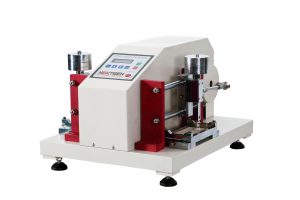
ASTM D2054 is a test method for evaluating color transfer (crocking / rub-off) from the textile tape portion of zippers to another surface under dry and/or wet rubbing conditions.
This standard is commonly used when qualifying zipper tape dyeing/finishing, checking incoming lots, or investigating staining complaints. If you need help aligning the cited edition to your internal test procedure or customer requirement, talk with our team.
ASTM D2054-99(2022): Standard Test Method for Colorfastness of Zipper Tapes to Crocking
ASTM D2054 is focused on zipper tapes (textile tapes on zippers) and measures how much color can be transferred by rubbing. Results are typically used for accept/reject decisions, comparative evaluations, and ongoing quality control.
Quick definition
What it is: A standardized crocking (rubbing) test for zipper tapes.
What it tells you: The tendency of zipper tape colorants/finishes to transfer to another surface during contact abrasion, under dry and/or wet rubbing conditions.
What it does not do: It does not characterize zipper strength, slider performance, corrosion resistance, or seam durability.
What this standard covers
This test method covers determining the degree of color transfer from zipper textile tape (all fiber types) to other surfaces by rubbing under dry conditions, wet conditions, or both.
Because the test is about rub-off behavior, the practical emphasis is on consistent rubbing action, controlled wetting for wet crocking, and consistent evaluation of staining/transfer on the receiving material.
Why this standard matters in testing
Crocking failures can show up as visible staining on garments, upholstery, luggage, hands, or adjacent materials during normal use. D2054 provides a repeatable way to screen zipper tape lots and validate process changes before shipment.
In manufacturing and supply chains, D2054 results are often used as part of an acceptance testing plan for commercial shipments, especially when multiple lots, dye lots, or finishing changes are involved.
Common materials, product types, or applications covered
Product area: Zippers with textile tapes.
Common constructions: Zipper tapes made from natural fibers, synthetics, or blends (the method is written to apply across fiber types).
Where it is used: Apparel and sewn products, soft goods, uniforms, outdoor gear, luggage, and other assemblies where zipper tapes can contact light-colored fabrics, linings, or hands during use.
Common test or verification workflow
ASTM D2054 is commonly run as a controlled rubbing test where a zipper tape specimen is prepared and mounted, then rubbed against a receiving surface under specified dry and/or wet conditions. The receiving surface is evaluated for transferred color after rubbing.
Common workflows: Incoming zipper tape QC, lot release testing, dye/finish process validation, supplier comparisons, and complaint investigations involving staining or rub-off.
Buyer caution: Equipment selection and lab-to-lab comparability depend heavily on using the same rubbing instrument type, consistent load/stroke settings, and a consistent rating practice aligned to your purchase specification.
Equipment commonly used for this standard
ASTM D2054 is commonly performed on a crocking (rubbing) instrument, often referred to as a crockmeter, configured to provide repeatable rubbing motion and load.
Common equipment elements: Crockmeter / rubbing tester (manual or motorized), specimen mounting platform or clamps, rubbing finger/arm assembly with defined load, and standardized crocking cloth/receiving media. For wet crocking, a controlled wetting approach (for example, measured wetting of the rubbing cloth) is typically part of the lab setup.
What to specify when quoting: Manual vs. motorized operation, stroke settings and counter, applied load/weight set, specimen holding area (to fit zipper tape specimens cleanly), and any accessory kits your lab uses for wet testing and consistent cloth preparation. If you are equipping a new station or replacing an older unit, you can request pricing for a crocking tester setup matched to your workflow.
How to read this designation or revision
ASTM standards are commonly cited by a letter-number designation (here, D2054) plus a year date. For D2054, you may see citations such as D2054-99(2022) and/or D2054-99R22.
Practical interpretation: “D2054-99” indicates the standard was adopted or last revised in 1999, and the year in parentheses indicates a later reapproval year. When you are aligning requirements across a customer PO, internal SOPs, and supplier CoCs, match the exact cited edition to avoid differences in apparatus settings, evaluation approach, or reporting expectations.
Related standards, methods, or frameworks
Many organizations use the term “crocking” for color transfer by rubbing, and labs often maintain multiple crocking-related methods for different substrates (for example, zipper tapes versus leather versus general textiles). When comparing results across documents, ensure the specimen type and evaluation criteria align with the product and end-use requirement.
Good practice: When a customer specification references “crocking” without naming the exact standard, clarify whether they intend ASTM D2054 (zipper tapes) or another rubbing method written for a different material category.
Get help selecting equipment for ASTM D2054
If you are setting up a zipper tape crocking capability or updating an older rubbing instrument, we can help you choose a configuration that supports your D2054 workflow (dry, wet, or both) and your throughput needs. To compare options and lead times, request a detailed quote.