ASTM D256 is a set of standard test methods for measuring the pendulum impact resistance of plastics using standardized impact machines and hammers. It is commonly used to compare how plastic materials and molded/finished plastic parts resist brittle fracture when struck under controlled conditions.
Because impact results are highly sensitive to specimen geometry, notch quality, and conditioning, ASTM D256 is often specified alongside a material or product specification that defines which method, specimen dimensions, and conditioning must be used. If you need help matching the cited method and specimen style to your parts or lab workflow, talk with our team.
ASTM D256 — Standard Test Methods for Determining the Izod Pendulum Impact Resistance of Plastics
ASTM D256 describes pendulum-impact testing of plastics using standardized machines that strike a mounted specimen and measure the energy absorbed to break it in a single swing. The standard is widely cited for notched Izod-style impact testing and related pendulum impact configurations included within the document.
Results are typically expressed as energy absorbed normalized by specimen width or by the cross-sectional area under the notch. This helps laboratories and manufacturers compare materials or processing conditions using consistent geometry and setup.
Quick definition
Document type: Test methods.
What it measures: Energy absorbed by a plastic specimen when broken by a standardized pendulum impact (commonly a notched Izod-style specimen), reported as impact resistance.
Typical reason it is specified: Material comparison, quality control release testing, and product validation where notched impact performance is a key requirement.
What This Standard Covers
ASTM D256 covers determination of a plastic’s resistance to breaking under a pendulum strike using standardized impact machines and hammers. It is commonly run on standardized bar specimens that are notched to promote a more brittle-type fracture and improve discrimination between materials.
The standard includes more than one test method/configuration within the same document. The exact method letter, specimen dimensions, and notch requirements should be taken from the purchaser’s requirement or the governing material/product specification.
Why This Standard Matters in Testing
Pendulum impact testing is often used as a fast, repeatable indicator of how sensitive a plastic is to stress concentrations (such as notches, sharp corners, gates, or scratches). A notched impact result can be a practical screen for brittleness changes caused by resin grade, filler content, moisture, processing history, heat aging, or low-temperature conditioning.
ASTM D256 is also frequently used to generate consistent, specification-friendly results for datasheets and incoming/outgoing QC, as long as the method and specimen details are held constant.
Common Materials, Product Types, or Applications Covered
ASTM D256 is primarily used for rigid and semi-rigid plastics tested as molded or machined bars, including unfilled and filled thermoplastics and certain thermosets. It is commonly applied when buyers need a standardized notched impact metric for:
- Resin and compound qualification (material-to-material comparisons)
- Molding process checks (lot-to-lot monitoring, regrind sensitivity, moisture effects)
- Finished-part risk screening where notch sensitivity is a concern (for example, housings, covers, clips, and small structural plastic components)
Because failure mode can vary widely by material and temperature, impact resistance values are most meaningful when comparing like materials tested using the same method, specimen geometry, notch details, and conditioning.
Common Test or Verification Workflow
A typical ASTM D256 workflow includes selecting the required method and specimen type, preparing specimens (often with a controlled notch), conditioning them to the specified environment, and then testing on a pendulum impact machine with an appropriately sized hammer.
Common workflow steps: Specimen preparation or machining, controlled notching, dimensional checks, conditioning (as required), pendulum impact test, calculation/normalization of results, and reporting of method/specimen details and any atypical failures.
Practical lab note: Many material and product specifications override “default” specimen preparation, conditioning, and parameters. When a customer requirement cites ASTM D256, it is important to confirm the exact method letter and the required specimen/notch details before testing or quoting equipment.
Equipment Commonly Used for This Standard
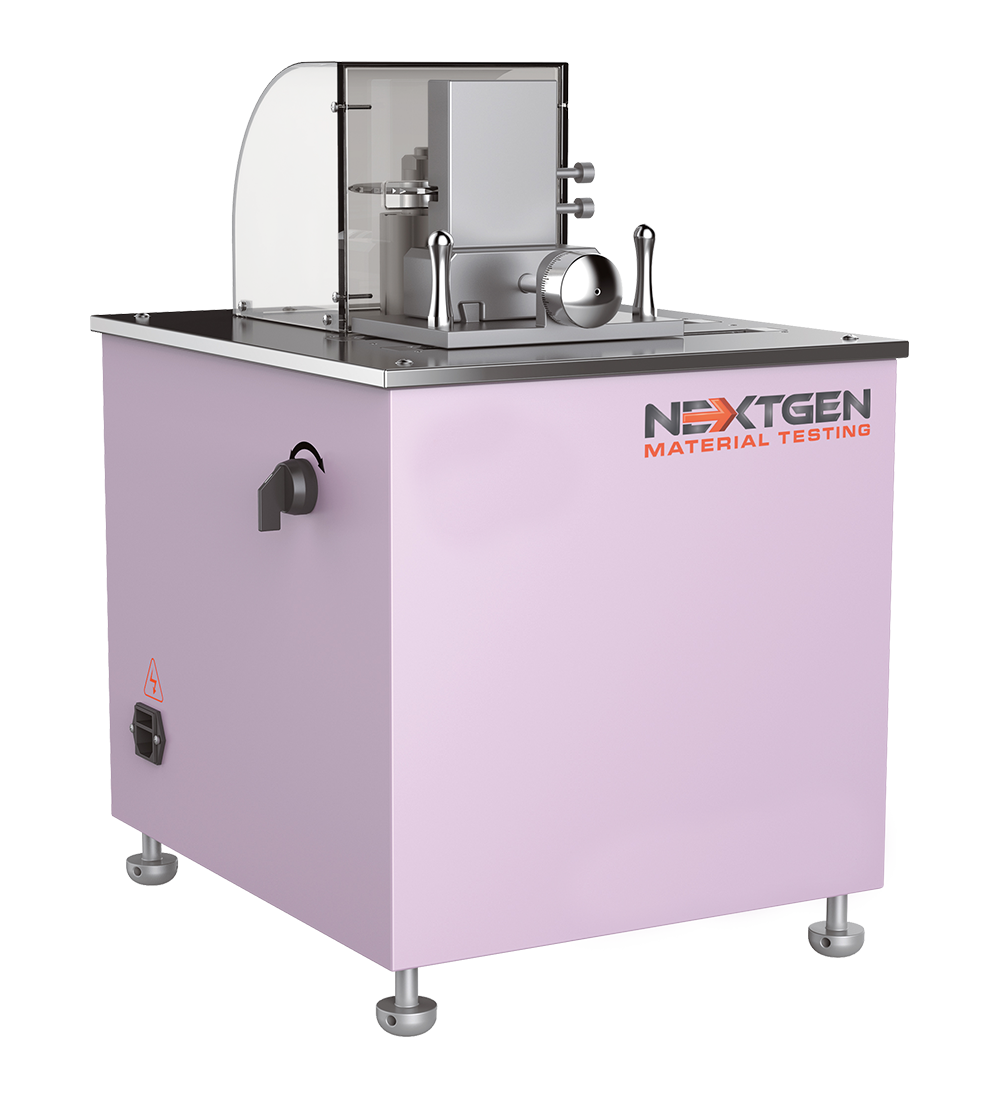
ASTM D256 typically points to a pendulum impact testing system with the correct impact configuration for the cited method, plus upstream tools to produce repeatable notches and verify dimensions.
Common equipment: Pendulum impact tester with guarded enclosure, Izod (and other applicable) specimen supports/fixtures per the cited method, selectable pendulum/hammer energies, striker and anvil/support components matched to the configuration, and an energy readout/data acquisition system.
Common accessories: Specimen notcher (to produce controlled notch geometry), specimen vise/handling tools, calibration/verification aids for pendulum systems (as required by the lab’s quality program), and conditioning chambers or controlled-temperature baths when testing at non-ambient conditions.
If you are selecting a pendulum impact tester, notcher, or fixture set for a specific cited method within ASTM D256, you can request a detailed quote based on your specimen size, throughput, and required impact energy range.
How to Read This Designation or Revision
ASTM standards are commonly cited as “ASTM D256” or with a year suffix (for example, “ASTM D256-26”). In ASTM citation practice, the number after the dash indicates the year of the last revision or adoption of that edition.
Because equipment setup details and reporting requirements can change between editions, labs and purchasers should align on the exact cited year/version when compliance is required.
Related Standards, Methods, or Frameworks (when useful)
ASTM D256 is often used alongside material or product specifications that define which specimen type, notch details, and conditioning apply. It may also be referenced in internal test plans that combine impact resistance with tensile, flexural, hardness, or environmental conditioning to build a broader performance profile.
When you are working from a customer drawing, resin specification, or automotive/consumer product requirement, confirm whether it calls out ASTM D256 alone or adds additional constraints (method letter, temperature, minimum average, minimum individual, or failure-type reporting).
Get help selecting an ASTM D256 impact testing setup
For help matching ASTM D256 to the correct pendulum impact configuration, specimen notcher, and impact energy range for your materials, contact our team with your cited edition, specimen dimensions, and expected impact levels.