ASTM C191 covers the time of setting of hydraulic cement by Vicat needle. It is an ASTM test methods document used in cement testing programs when a laboratory needs Vicat setting-time results for product development, quality control, or specification compliance.
The standard includes a manually operated reference Vicat apparatus and also permits use of a qualified automatic Vicat machine. It applies to hydraulic cement paste, and its results should not be treated as interchangeable with mortar or concrete setting behavior. If you need help matching ASTM C191 to your lab workflow, Contact Us.
ASTM C191 Standard Test Methods for Time of Setting of Hydraulic Cement by Vicat Needle
ASTM C191 is a cement testing standard used to determine the setting behavior of hydraulic cement with a Vicat needle method. In practical terms, it supports laboratories that need a consistent way to generate Vicat time-of-setting results for comparison with product requirements or purchase specifications.
The document is written as test methods, not as a material specification. That distinction matters because ASTM C191 provides the measurement approach, while the acceptance limits usually come from the cement specification or project requirement that cites it.
Quick Definition
For most labs, ASTM C191 means preparing hydraulic cement paste, measuring its setting behavior with a Vicat instrument, and using the result in a cement quality or compliance workflow.
| Aspect | ASTM C191 at a Glance |
|---|---|
| Document type | Standard test methods |
| Material focus | Hydraulic cement paste |
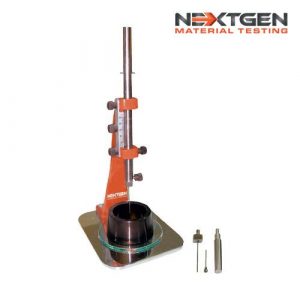
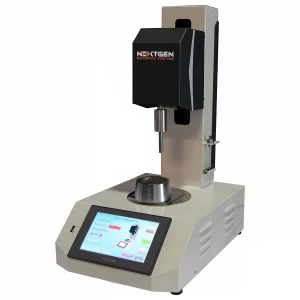
| Instrument path | Manual standard Vicat apparatus or qualified automatic Vicat machine |
| Common use | Generating Vicat setting-time results for specification or quality-control use |
What This Standard Covers
ASTM C191 determines the time of setting of hydraulic cement by means of the Vicat needle. The standard includes two routes: Test Method A uses the manually operated standard Vicat apparatus as the reference method, and Test Method B permits an automatic Vicat machine when that instrument has demonstrated acceptable performance under the standard.
This is a narrow cement test, not a broad concrete performance standard. It is centered on hydraulic cement paste and is intended for labs that need a recognized Vicat method for setting-time measurement.
Why This Standard Matters in Testing
Setting-time data is important in cement manufacturing, incoming material control, specification conformance, and formulation work. ASTM C191 provides a defined Vicat method that can be used when a cement specification sets limits or reporting expectations for Vicat time of setting.
The standard also matters because the result is method-specific. ASTM C191 itself notes that time of setting measured by this method does not necessarily match the time of setting obtained by other methods or the setting behavior of mortar or concrete.
Common Materials, Product Types, or Applications Covered
ASTM C191 applies to hydraulic cement. In day-to-day lab use, that often includes cement products evaluated in plant QC programs, independent laboratory testing, and specification-driven acceptance work.
One common reference point is portland cement, since ASTM C150/C150M lists time of setting by Vicat needles among the applicable test methods used for that specification. The same general ASTM C191 workflow can also matter for other hydraulic cements when their governing specification or contract documents call for Vicat setting-time results.
Common Test or Verification Workflow
A typical ASTM C191 workflow starts with preparation of hydraulic cement paste, followed by the required conditioning and timed Vicat measurements. The laboratory then determines the Vicat setting result under the cited method and compares that result with the applicable material specification, customer requirement, or internal quality limit.
For purchasing and lab planning, the most important workflow question is usually whether the program will run the manual reference apparatus, a qualified automatic Vicat system, or both. That decision affects throughput, operator involvement, training, and how the lab documents qualification and ongoing use of the instrument.
Equipment Commonly Used for This Standard
ASTM C191 points first to Vicat-based equipment rather than load-frame testing systems. The core equipment path is built around the Vicat instrument and the supporting tools needed to prepare, condition, and monitor cement paste during the test period.
- Manual standard Vicat apparatus for Test Method A reference work.
- Automatic Vicat machine for Test Method B when the instrument is qualified for use under the standard.
- Supporting tools for paste preparation, specimen handling, conditioning, and timed measurement.
Practical quoting note: if a lab wants automation, the instrument must fit the qualification expectations of ASTM C191 rather than serving only as a convenience upgrade. That point often drives the best equipment recommendation.
How to Read This Designation or Revision
In ASTM C191, the letter C identifies ASTM standards in the cementitious, ceramic, concrete, and masonry area, and 191 is the assigned sequential number for this standard. A cited edition such as ASTM C191-26 uses the trailing number to identify the year of acceptance or last revision.
Older versions listed by ASTM include examples such as C191-21, C191-19, and C191-18A. When a suffix letter appears after the year, it indicates another revision in the same year. For procurement and compliance work, the exact cited edition matters because procedures, qualification language, and reporting details can change from one revision to another.
Related Standards, Methods, or Frameworks
ASTM C191 is often discussed alongside other cement setting and cement specification documents. These related references help define whether the lab is testing cement paste, mortar, or a different setting-time method.
- ASTM C266 covers time of setting of hydraulic-cement paste by Gillmore needles.
- ASTM C807 covers time of setting of hydraulic cement mortar by modified Vicat needle.
- ASTM C150/C150M is a portland cement specification that lists time of setting by Vicat needles among its applicable test methods.
If a purchase order, project specification, or internal method sheet cites one of these related documents instead of ASTM C191, the required apparatus and sample form may be different.
Need ASTM C191 Equipment or Configuration Help?
We can help you compare manual and automatic Vicat options, review throughput needs, and align a system with ASTM C191 cement setting-time workflows.
Request a Quote for ASTM C191 equipment options or for help scoping a cement laboratory setup.