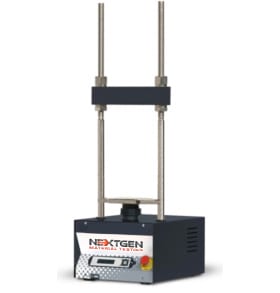
AASHTO T 193 is a standard test method used to determine the California Bearing Ratio (CBR) of laboratory-compacted pavement materials such as subgrade soils, subbase, and base-course materials. CBR results are commonly used in pavement design and in mix/placement decisions where a strength index is needed.
If you need help matching your project specification (soaking requirement, surcharge, mold size, or load-frame capacity) to an equipment setup, talk with our team about your intended CBR workflow.
AASHTO T 193: Standard Method of Test for The California Bearing Ratio
AASHTO T 193 is focused on generating a CBR value from a controlled laboratory specimen and penetration test. It is widely referenced when agencies need a repeatable index of bearing resistance for pavement support layers.
Because agency specifications often tailor specimen conditioning and target density/moisture, the most important first step is confirming the edition cited and the project’s required preparation and soaking condition.
Quick Definition
AASHTO T 193 is a laboratory CBR test method that evaluates bearing resistance by penetrating a prepared specimen and reporting CBR values at specified penetrations, typically with provisions for soaking and swell measurement when required.
What This Standard Covers
This method covers determination of CBR for pavement materials prepared as laboratory-compacted specimens. The method is used for subgrade soils and for granular or stabilized materials used in subbase and base layers, when represented by the laboratory specimen defined by the procedure and any agency directions.
CBR testing under AASHTO T 193 is commonly paired with defined specimen compaction targets and conditioning steps (such as soaking) to better represent expected field performance under moisture exposure.
Why This Standard Matters in Testing
CBR is a practical strength index used in many transportation specifications and pavement design practices. When a project calls out AASHTO T 193, it typically signals that decisions will be made using a CBR number produced from a consistent preparation and penetration procedure rather than from a more complex constitutive model.
For lab managers and QA/QC teams, the standard matters because small differences in conditioning, surcharge, and instrumentation (load and penetration measurement) can change results and affect acceptance or design inputs.
Common Materials, Product Types, or Applications Covered
AASHTO T 193 is commonly specified for:
- Subgrade soils used to support flexible pavement structures
- Unbound aggregate subbase and base-course materials (as represented by the prepared specimen)
- Projects where soaked condition behavior and swell are important performance considerations
Common Test or Verification Workflow
A typical AASHTO T 193 workflow includes preparing a specimen to a defined moisture and density target, conditioning the specimen as required (often including a soaking period), measuring any swell/height change when applicable, and then running a controlled penetration test while recording load versus penetration.
Common reporting outputs: CBR values reported at specified penetrations (commonly referenced at 0.1 in and 0.2 in), along with preparation details needed to interpret the result (mold/specimen information, conditioning, and key densities/moisture values as required by the invoking specification).
Equipment Commonly Used for This Standard
AASHTO T 193 typically points to a CBR testing setup built around controlled penetration and accurate measurement of both load and penetration. Exact configuration depends on the edition cited and agency requirements.
Common equipment: CBR load frame (or universal loading frame configured for CBR), penetration piston, load measurement (proving ring or load cell), penetration/displacement measurement (dial indicator or digital displacement sensor), CBR mold and base plate, surcharge weights, swell measurement accessories, and soaking tank/container for conditioned specimens.
Specimen preparation tools often involved: Compaction equipment aligned with the specified moisture–density method (for example, compaction following AASHTO T 99 when invoked by the testing program), balances, and moisture content determination equipment as required by the lab’s standard practice.
If you are outfitting a lab or upgrading instrumentation for higher repeatability, you can request pricing for a CBR system configured around your expected material types and load range.
How to Read This Designation or Revision
AASHTO test methods are commonly cited by designation number and an edition year suffix (for example, “AASHTO T 193-22”). The year identifies the referenced edition, and equipment/setup details can vary by edition and by agency modifications.
When a contract document references only “AASHTO T 193” without a year, confirm the controlling specification (state DOT, owner agency, or project QC plan) to avoid mismatches in conditioning, surcharge requirements, or reporting expectations.
Related Standards, Methods, or Frameworks
ASTM D1883: Commonly referenced alongside AASHTO T 193 for laboratory CBR testing, and often cited as an alternative depending on agency preference.
AASHTO T 265 / ASTM D2216: Common moisture content methods frequently used in programs that also run AASHTO T 193 to document specimen moisture conditions.
AASHTO T 99: A moisture–density compaction method often referenced within CBR testing programs to establish or control specimen preparation targets.
Get help selecting a CBR testing setup
For purchasing or upgrading AASHTO T 193 equipment, the key decisions are usually load-frame capacity and control, penetration and load measurement package, mold/weight accessories, and how you plan to manage soaked conditioning and swell measurement. To compare configurations for your lab’s typical materials and throughput, request a detailed quote.