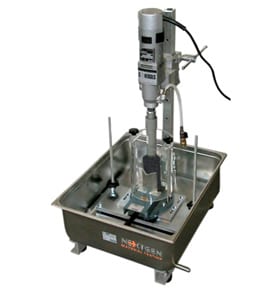
AASHTO T 23 is a standard method of test used to make and cure concrete strength specimens under field conditions so they can be transported and tested at a specified age (commonly for acceptance and quality control).
Because concrete strength results are highly sensitive to specimen handling and early curing, this method is frequently referenced in DOT and project QA/QC requirements to help ensure test cylinders or beams represent the placed concrete as accurately as practical. If you need help aligning your curing setup to the project’s cited edition, talk with our team.
AASHTO T 23-18: Making and Curing Concrete Test Specimens in the Field
AASHTO identifies this document as T 23-18, titled “Making and Curing Concrete Test Specimens in the Field.” It is used when concrete test specimens are prepared at the jobsite (or another field location) rather than in a controlled laboratory environment.
This standard is typically applied alongside other fresh and hardened concrete requirements to support consistent compressive-strength or flexural-strength testing programs.
Quick definition
Document type: Standard method of test.
In plain terms: How to mold, initially cure, protect, identify, and transport concrete specimens made in the field so later strength testing is meaningful.
Common specimen types: Cylinders and beams (as required by the project’s strength test program).
What this standard covers
AASHTO T 23 focuses on the steps that happen before the strength break: preparing molds, placing and consolidating concrete in the molds, finishing, marking/identification, initial curing in the field, and protecting specimens during storage and transport.
It is often referenced when results will be used for acceptance decisions, mixture qualification checks, troubleshooting, or trend monitoring across placements.
Why this standard matters in testing
Concrete strength test results can be biased by inconsistent consolidation, vibration/rodding technique, specimen damage, premature drying, or temperature extremes during early curing. AASHTO T 23 helps reduce these uncontrolled variables so the measured strength is more likely to reflect the concrete being placed.
For labs and QA teams, this method also creates a defensible chain of handling from sample collection through specimen delivery for curing and testing.
Common materials, product types, or applications covered
AASHTO T 23 is used for freshly mixed hydraulic-cement concrete placed in transportation and civil works construction, including:
- Roadway and bridge concrete (pavements, decks, approach slabs, barriers)
- Cast-in-place structural concrete (footings, walls, columns)
- Site and drainage concrete (manholes, headwalls, miscellaneous flatwork where strength verification is specified)
This standard is not a strength test by itself; it supports later strength testing by controlling how specimens are prepared and cured in the field.
Common test or verification workflow
Most programs that cite AASHTO T 23 follow a workflow like the one below (exact details depend on the project specification and the referenced edition):
- Sample concrete from the placement per the project’s sampling requirements.
- Prepare cylinder or beam molds and place concrete into molds.
- Consolidate (rodded and/or vibrated, as appropriate for the mixture and specimen size), then finish the surface.
- Identify each specimen (location, date/time, mix/placement information) and protect it from disturbance, moisture loss, and temperature extremes during initial curing.
- Transport specimens to the lab or curing facility, then continue curing as required until the scheduled break age.
- Test strength per the applicable strength method(s) referenced by the project.
Practical note: If your project is using field-cured specimens for construction operations (for example, form removal or opening-to-traffic decisions), the curing container and temperature-control approach become especially important for decision-quality results.
Equipment commonly used for this standard
AASHTO T 23 is equipment-influential rather than machine-driven. The typical equipment set is centered on consistent molding, consolidation, protection, and curing/transport control.
Common equipment: Cylinder molds and beam molds, mold bases/lids, tamping rods, internal vibrator (when required), strike-off/finishing tools, scoop and sampling containers, marking/ID supplies, thermometers/temperature probes, insulated curing boxes or curing containers, damp coverings or moisture-retention accessories, and protected transport racks/containers.
Common downstream equipment: Once specimens reach the lab, strength testing typically requires a concrete compression testing machine (for cylinders) and/or a flexural testing frame/fixture (for beams), depending on what the project specifies.
If you are standardizing a field technician kit or comparing curing-box sizes and temperature-control options for year-round placements, you can request a detailed quote for a configuration matched to your specimen volume and jobsite logistics.
How to read this designation or revision
AASHTO standards are commonly cited with a method number and a hyphenated edition year (for example, “T 23-18”). The “T” indicates a test method designation, and the number identifies the specific method within AASHTO’s materials testing standards.
Revision sensitivity: Field curing time windows, temperature expectations, consolidation options, and marking/transport requirements can vary by edition and by project specification. When ordering equipment or setting up procedures, match your SOP to the exact edition cited in your contract documents.
Related standards, methods, or frameworks
AASHTO T 23 is commonly used as part of a larger concrete QA/QC package. Depending on the job, related references may include methods for sampling fresh concrete and testing strength, slump, temperature, and air content.
When a project cites multiple standards together, make sure your field kit (molds, consolidation tools, curing container, and identification/traceability process) supports all required specimen types and test ages without re-handling or re-labeling errors.
Get help selecting a curing and transport setup for AASHTO T 23
If you need a practical equipment path for molding, initial curing, and protected transport—aligned to the edition and specimen types your project calls out—contact our team with your cited designation, expected daily specimen count, and ambient temperature range.