“How can we quantify the invisible robustness embedded within the materials that shape our products?” This question captures the essence of resilience testing, one of the most fundamental methods of determining the durability of materials under stress. In order to determine the level of resilience in a material, this process facilitates the measurement of its capacity to absorb energy and its ability to revert to its original state after being deformed.
As part of this article, we will discuss resilience testing with a special focus on NextGen’s Pendulum Rebound Resilience Tester. As an example of innovation, this tester serves as a benchmark for evaluating the elastic properties and tenacity of materials for a variety of industrial applications. In the following sections, we will learn more about resilience testing and will review the expertly engineered Pendulum Rebound Resilience Tester and its importance in the material testing process.
What is a Resilience Tester?
A resilience tester is an essential instrument in material science and engineering, designed to evaluate elastic response to deformation. It is a critical piece of equipment for industries that require high-performance materials, such as the automotive industry for tire and gasket materials, the aerospace sector for components that must endure extreme stresses, the sports industry for impact-absorbing surfaces, the construction industry for shock-absorbing materials, and the healthcare industry for medical devices that rely on polymers for durability.
The Pendulum Rebound Resilience Tester is particularly adept at providing detailed information on how materials behave under dynamic conditions. The rebound resilience of a material is an important factor in determining its ability to withstand repeated use or sudden impacts. Material scientists and engineers use the data collected to improve formulas, select appropriate materials for specific applications, and ensure compliance with international durability standards.
Research and development laboratories, quality control departments, and manufacturing units use the results of testers to make informed decisions regarding material selection and product design. As a result, the final products will be resilient and reliable but also meet consumers’ performance and safety expectations. It is impossible to overstate the importance of such testing, as it ultimately contributes to the safety, longevity, and performance of products, which are paramount in today’s competitive marketplace.

Industries and Applications of Resilience Testers
Resilience testers like the Pendulum Rebound Resilience Tester are extremely useful in a wide range of industries, each with its unique material properties demands. Here are some examples of how testers are used in different sectors:
Automotive Industry
Components such as engine mounts, hoses, belts, and interior cabin padding must undergo resilience testing in the automotive industry. In order to maintain shape and function under diverse temperatures and pressures, these materials must be capable of rebounding after compression. For instance, tire rubber’s resilience, a market valued at over $250 billion globally, is crucial to absorbing road irregularities, thereby improving vehicle safety and passenger comfort. A resilience tester ensures that these materials meet the rigorous demands of the automotive sector, where even the slightest flaw can lead to serious consequences.
Aerospace Industry
The aerospace industry is heavily dependent on resilience testing since safety and precision are of the utmost importance. The materials used in aircraft cabins, seating, and shock absorbers are subjected to rigorous testing. To ensure they can withstand the unique challenges of aerospace environments, sealants essential for cabin pressurization and fuel line elastomers that endure expansion and contraction cycles during high-altitude flights are tested for resilience.
Construction and Civil Engineering
In the construction and civil engineering fields, resilience testing is critical for materials such as expansion joints, bridge bearings, and soundproofing materials. For skyscrapers, window seals must be resilient and durable to withstand building sway and thermal expansion. In order to ensure the longevity and safety of structures in the global construction market, which is projected to reach $15.5 trillion by 2030, these tests are required.
Medical Device Manufacturing
By 2025, the market for medical devices is expected to reach $432.6 billion. Resilience is of paramount importance in this industry. The materials used in surgical tools and implants, such as artificial joints, must be able to withstand the dynamic environment within the body without degrading. The resilience tester ensures that these materials will be able to withstand the stresses of the human body, maintaining their integrity and functionality as a result.
Sporting Goods Manufacturing
A major role is played by resilience testers in the sporting goods industry, which is valued at approximately $73 billion. Sports shoes, mats, and protective gear require materials with high rebound rates to ensure energy efficiency and comfort. For example, running shoe soles are tested to ensure they provide sufficient support and rebound during high-impact activities.

Electronics
With a market size of more than $1 trillion, the electronics industry conducts resilience tests on flexible components in order to ensure durability. The rubber seals on waterproof devices and the soft-touch buttons on remote controls are repeatedly tested to ensure their durability and reliability.
Packaging
In packaging, especially for fragile items, resilience testing is crucial in order to ensure that materials can withstand impacts during transport and handling. As a result of these tests, the global packaging market, valued at approximately $900 billion, is able to maintain the integrity of products during shipping and storage.
As a result of the widespread use of resilience testers in modern manufacturing and product development, their significance is further underscored. These tests help industries predict product performance, extend product lifecycles, and meet the highest safety and quality standards by simulating conditions that materials will face in the real world.
Introducing the Pendulum Rebound Resilience Tester
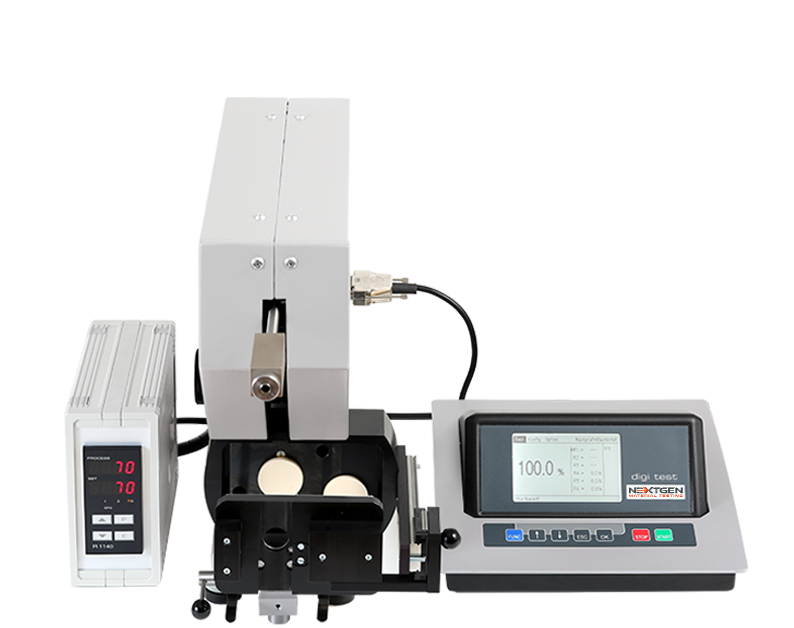
Designed to analyze the elastic properties of diverse materials, the Pendulum Rebound Resilience Tester represents a major innovation in material testing. Designed for a dual-mode operation, this precision instrument combines the flexibility of manual control with the reliability of fully automated testing. Its state-of-the-art digital display provides immediate and clear feedback on test results, enhancing the user’s experience and facilitating data interpretation.
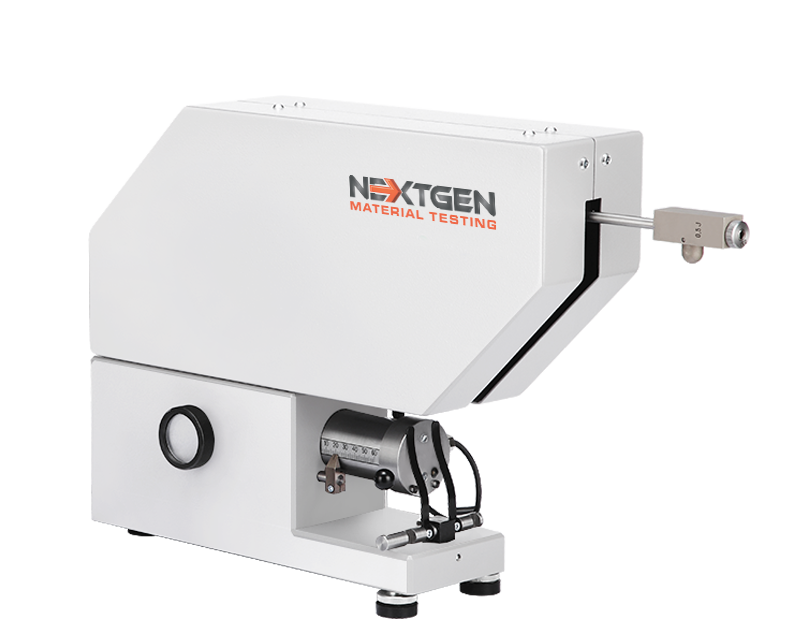
Its advanced heating mechanism allows samples to be precisely conditioned up to 100°C, reflecting the thermal dynamics materials may encounter in real-world applications. In applications where temperature fluctuations are a common occurrence, such as automotive components exposed to the heat of an engine or building materials subject to seasonal temperature changes, thermal profiling is critical.
At the heart of this equipment’s design is its ability to measure the behavior of materials in response to energy application and removal – essentially, quantifying their resilience. Material properties that exhibit high rebound percentages are essential for applications requiring longevity and durability, particularly in industries where safety is of primary importance. Testers such as this evaluate not only the immediate resilience of materials but also their behavior over time, identifying any potential degradation in elasticity that could signal an early failure.
The next section of our exploration will focus on how the Pendulum Rebound Resilience Tester is compliant with international testing standards, which speaks to its precision and reliability on an international level. Following that, we will discuss the specific features, technical specifications, and accessories that set this tester apart, providing a thorough view of its capabilities and the added value it brings to material testing and quality control processes.
Compliance with Standards of the NextGen’s Resilience Tester
A main trio of rigorous international standards validates the Pendulum Rebound Resilience Tester’s precision and reliability. A standard called DIN 53512 describes how to quantify the rebound resilience of elastomers, which is commonly used for applications such as vibration absorbers or shock absorbers where materials must absorb and dissipate energy efficiently. ASTM D 1054 specifies the procedures for measuring rubber’s resilience upon impact as specified by the American Society for Testing and Materials. This parameter is very important in the tire industry and for other rubber components that must recover their shape after deformation.
Under ISO 4662, the International Organization for Standardization broadens the testing parameters of the Pendulum Rebound Resilience Tester to include both vulcanized and thermoplastic rubbers, thus widening the range of materials that can be assessed for resilience. With these standards integrated into the functionality of the Pendulum Rebound Resilience Tester, it is ensured that the elasticity measurements of materials conform to international quality and performance standards.
Using these benchmarks, the tester becomes more than just a tool for measuring material properties. It has become an integral part of industries’ quality assurance and development processes. Ensures that materials meet the requirements of their applications, contributing to the durability and safety of the final product. As a result of the tester’s compliance with DIN 53512, ASTM D 1054, and ISO 4662, it is a valuable asset for manufacturers and researchers who require a common language of quality assurance and material excellence.
Features of Pendulum Rebound Resilience Tester
With the NextGen’s Pendulum Rebound Resilience Tester, you can test materials with precision and ease of use. As a result of its ability to evaluate the dynamic behavior of diverse materials, it is an essential tool for differentiating between material qualities. Especially in sectors where the slightest change in material properties can have a significant impact, this is of particular importance.
This tester features a low-maintenance design, with a fully automatic sequence driven by a geared motor that serves as the sole actuator, minimizing points of failure and ensuring reliable operation. A wear-free mechanism complements this design feature, enabling continuous, uninterrupted operation in high-volume testing environments.
To ensure clear, precise results, the tester includes a frictionless pendulum encoder and an independent electronic unit with an LCD display. A temperature range of 10°C to 100°C is also available on the contact surface, accommodating a second specimen for preconditioning at the same time. As a result, testing scenarios can be more flexible and throughput can be increased more efficiently.
With a range of specimen sizes from 29 to 53 mm and a thickness of 12 mm, the tester is able to accommodate a wide range of materials. An integrated routine within the tester’s software allows rapid error analysis, thereby reducing downtime and increasing productivity.
Last but not least, the tester is equipped with an integrated RS232 C interface, allowing it to be connected to a PC for output and processing of test results. It is possible to integrate this connectivity into existing quality assurance workflows and facilitate data management to facilitate comprehensive analysis using the data.
https://www.youtube.com/watch?v=Xzkvh6aOmSE&ab_channel=QualityControl
Technical Specifications & Accessories
The Pendulum Rebound Resilience Tester features a number of technical specifications that highlight its precision and versatility. To offer an easier and more compact view of its capabilities, below is a comprehensive list of the tester’s specifications:
Technical Specifications:
-
Model: Pendulum Rebound Resilience Tester
-
Power Supply: 100 – 240 VAC; 50 / 60 Hz 1P
-
Resolution: 0.1%
-
Measuring Range: Specifically for rubber resilience
-
Data Output: V24 RS 232 – 9600 baud, 1 start bit, 8 data bits, 1 stop bit
-
Pendulum Length: 200 mm
-
Angle of Incidence: 90°
-
Impact Velocity: 2 m/s
-
Specimen Thickness Adjustment: 0 – 60 mm
-
Scale Value: 1 mm
-
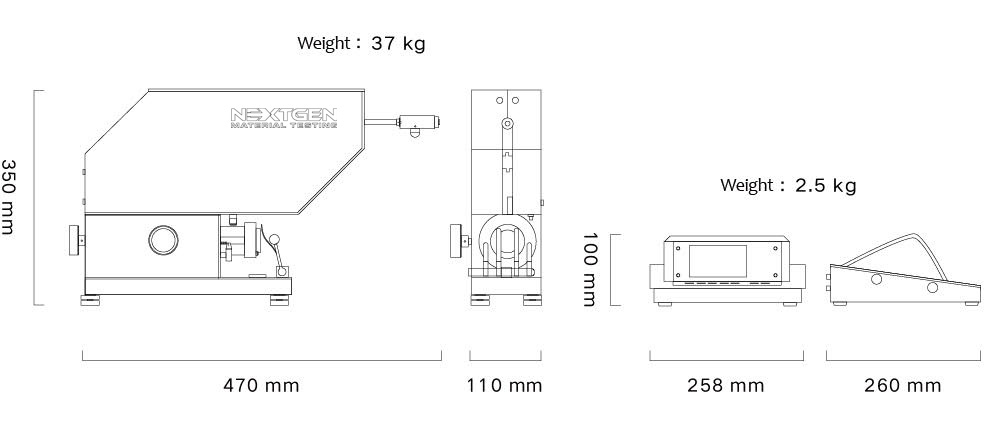
Dimensions (LxWxH): Main instrument – 7.87″ x 9.84″ x 22.44″; Electronic Unit – 7.87″ x 6.73″ x 3.54″
-
Weight: Main Instrument – 73 lbs; Electronic Unit – 4.4 lbs; Heating Module – 6.6 lbs
To further enhance the functionality and user experience, the tester is supported by a collection of accessories:
Accessories:
-
Calibration Certification: Guarantees that the tester meets rigorous accuracy standards.
-
Anvil Plate: Provides a reliable base for testing.
-
Heating Module: Allows temperature variation for material testing under different conditions.
-
Clamping Device: Secures specimens during testing.
-
Software: Facilitates an intuitive interface for test management and data analysis.
The combination of these technical specifications and accessories ensures that the Pendulum Rebound Resilience Tester provides not only reliability, ease of use, and adaptability to meet material science’s evolving needs.
The Significance of Temperature in Material Testing
Under various conditions, temperature has a significant influence on the mechanical properties and behavior of materials. It is especially important when it comes to products such as the Pendulum Rebound Resilience Tester, which assesses the dynamic behaviour of materials like elastomers and foams. Several factors contribute to the success of material testing, one of which is temperature.
Understanding Material Behavior Across Temperature Ranges
It is well known that materials, especially polymers and elastomers, exhibit significant changes in their physical properties as a result of temperature fluctuations. At lower temperatures, these materials tend to become more rigid and brittle, while at higher temperatures, they may become softer and more pliable. The change in material behavior is crucial for applications requiring the material to perform under varying temperature conditions. Due to the Pendulum Rebound Resilience Tester’s ability to adjust sample temperatures up to 100 °C, it is possible to make a comprehensive analysis of how temperature affects material elasticity and resilience.
Simulating Real-World Environmental Conditions
In real-world applications, materials are often subjected to a wide range of temperatures. As an example, automotive parts must maintain their integrity and performance during both freezing winters and scorching summers. In order to predict how a material will perform in its intended environment, the Pendulum Rebound Resilience Tester tests materials at different temperatures. In order to ensure the safety and reliability of the final product, this simulation is essential.
Impact on Aging and Fatigue
It is also important to note that temperature accelerates the aging process of materials. High temperatures can cause material degradation over time, such as hardening, loss of elasticity, or cracking. In addition to identifying material changes after aging, the Pendulum Rebound Resilience Tester provides valuable data for predicting the lifespan and durability of materials under thermal stress. Information such as this is crucial to quality assurance as well as to improving the formulation of materials in order to achieve greater performance.

Compliance with Industry Standards
There are specific standards that materials must meet in different industries, many of which are temperature-dependent. There are a number of standards, such as DIN 53512, ASTM D 1054, and ISO 4662, about which we have already spoken, which require materials to maintain certain properties over a particular range of temperatures. The purpose of conducting these tests is to ensure that the materials meet the necessary safety and quality standards.
Customized Testing Solutions
The versatility of the Pendulum Rebound Resilience Tester allows it to be customized to meet a variety of testing requirements. Depending on the material, different temperature conditions are required for optimal testing. With the tester’s ability to select temperature ranges and precondition a second specimen at the same time, the testing process can be more efficient and tailored to the specific needs of each material.
Vertical Rebound Resilience Tester – GenRebound
In addition to the Pendulum Rebound Resilience Tester, we offer Vertical Rebound Resilience Testers as an alternative method of assessing material resilience. Both digital and analog testers can be used to evaluate the resilience of materials to vertical impacts, providing an overall assessment of their performance.
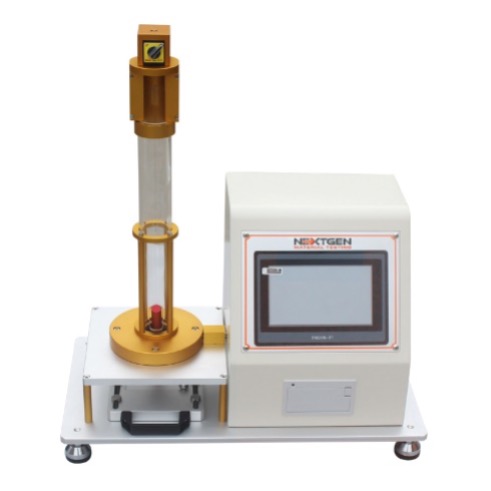
GenReboundBall Rebound Tester analyzes soft, impact-absorbing materials such as foam and polyurethane, which are vital to a wide variety of sectors, including automotive safety and consumer goods. The device features an easy-to-use system and a USB port for data transfer, which enhances operational efficiency. An LCD display provides information about the test cycle, median values, and instructions, eliminating the need for calibration and simplifying the testing procedure.
The analog GenRebound tester, on the other hand, is designed for rubber compounds, which are essential for materials whose function is to absorb vibration and shock. Plungers are systematically dropped onto test specimens after they have been adjusted to a horizontal position. Based on the measurements taken from the fourth to sixth impacts, an average value can be calculated to determine the material’s resilience. In addition to providing compliance with ASTM standards, this process is a valuable tool for manufacturing environments that require vibration reduction and shock absorption.
The use of these Vertical Rebound Resilience Testers in conjunction with the Pendulum Rebound Resilience Tester allows for a comprehensive analysis of materials under a variety of stress conditions. Through this convergence of testing methodologies, NextGen’s suite of instruments offers detailed insight into material behavior, strengthening compliance with industry standards and confirming the durability of materials.
The Integral Role of Resilience Testing in Material Science and Industry
NextGen Material Testing Inc.’s Pendulum Rebound Resilience Tester and its suite of testing instruments demonstrate the importance of resilience testing in the advancement of material science and in the assurance of product quality across various industries. An in-depth assessment of materials’ ability to withstand stress, maintain integrity, and return to their original form is more than just a technical requirement; it demonstrates a commitment to safety, durability, and innovation.
As we have already discussed in this article, resilience testing has implications that extend beyond the laboratory. Numerous sectors rely on it for the development and manufacture of their products. From the automotive industry, where the resilience of tire rubber can be a matter of life and death, to the aerospace industry, where the reliability of materials is a critical factor in extreme conditions, resilience testing ensures that products meet and exceed the highest standards of performance and safety. Athletic footwear’s comfort and efficiency depend heavily on the resilience of the materials used. Material properties such as expansion joints and bridge bearings have a significant impact on the longevity and safety of structures in the construction and civil engineering industries. This testing is also performed by the medical device industry to verify that implants and surgical tools can withstand the dynamic environment of the human body. Resilience testing is used in the electronics and packaging industries to ensure product durability and reliability, contributing to the satisfaction and trust of consumers.
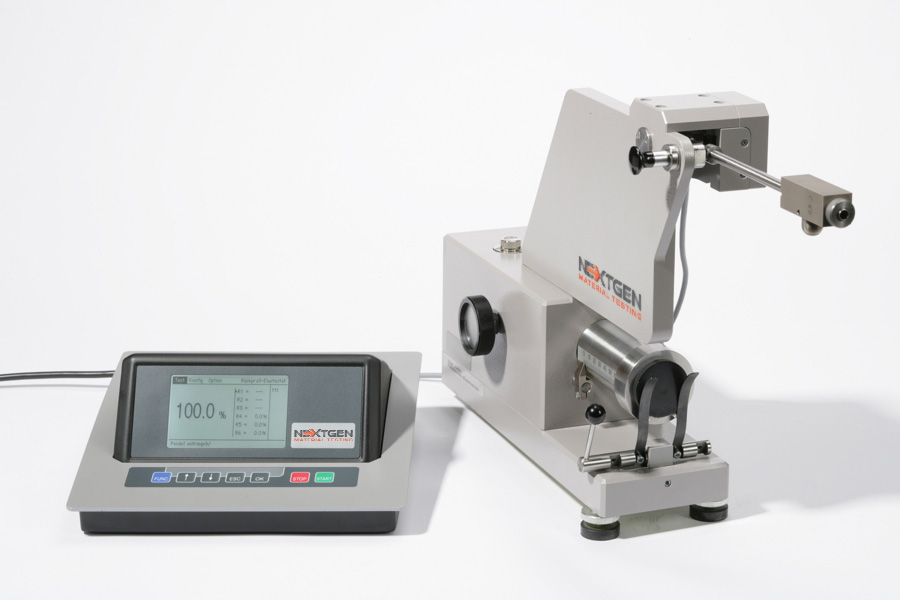
The Pendulum Rebound Resilience Tester exemplifies the highest level of precision and versatility in material testing. Developed to determine the dynamic behavior of different materials, this advanced instrument provides a critical insight into different materials’ properties. Featuring a fully automatic sequence and a wear-free mechanism, this low-maintenance design makes it suitable for continuous operation in demanding industrial environments.
In addition to the frictionless pendulum encoder, this tester also features an independent electronic unit with an LCD display, which greatly enhances its accuracy and ease of operation. As the tester is capable of operating within a temperature range of 10 °C to 100 °C and accommodates a wide range of specimen sizes, it is remarkably versatile. Furthermore, its integrated routine for rapid error analysis and PC connection via an RS232 C interface streamline the testing process, resulting in efficient testing output and data processing. As a result of these features, the Pendulum Rebound Resilience Tester is regarded as a valuable tool in both the production process and the evaluation of finished products for quality assurance.
Customized Solutions to Meet Your Needs
Our philosophy at NextGen Material Testing Inc. is to provide exceptional customer service combined with the highest quality products and services. Thousands of manufacturers, educational institutions, government organizations, NDT facilities, and laboratories have benefited from this commitment. With years of industry experience, our team of skilled professionals is dedicated to providing the best service in the industry. With modern technology-based equipment that meets the latest industry standards, we ensure that our clients’ quality testing needs are met with precision, ease, and finesse.
Our goal is to develop equipment that provides the highest level of accuracy, thereby providing the ultimate quality control experience. Keeping up with the latest technological advancements means we are always striving to provide faster, more accurate results to our clients. In addition to offering customized services according to our client’s needs and budgets, we understand how significant it is to personalize the process of selecting the right equipment. In addition to our extensive videos and brochures, we ensure that you are well acquainted with the equipment’s features and highlights before it is delivered to you.
By choosing NextGen Material Testing, you are not just selecting a product. You are partnering with one of the leaders in material testing innovation. As a company, we are committed to helping you achieve the highest standards of quality and safety in your products, ensuring that they will withstand the test of time and meet the ever-changing market needs. With our comprehensive support, from initial consultation to after-sales service, you will be able to maximize your investment. NextGen Material Testing Inc. understands the intricacies of material science and the importance of precision in testing and is committed to providing solutions tailored to meet your specific requirements, ensuring that your products are both resilient and reliable, as well as at the cutting edge of innovation and quality.
Learn how our innovative Pendulum Rebound Resilience Tester and other specialized equipment can meet your unique testing needs. Please contact us for an online estimate or directly if you would like to learn more about our systems in-depth detail. Assisting you with every aspect of our products, our expert team ensures that they are perfectly configured to meet your specific needs. By leveraging our support and guidance, you can select a testing solution that aligns perfectly with your precise requirements, improving the quality and reliability of your testing operations.
Machines Behind This Article
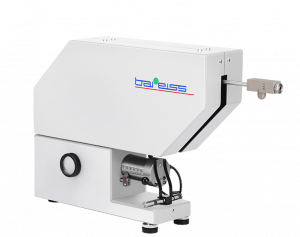 Plastic TestingPendulum Rebound Resilience TesterNextGen’s Pendulum Rebound Resilience Tester measures the elastic recovery and dynamic behavior of elastomers, foams, and rubber materials. Available in manual and...View product
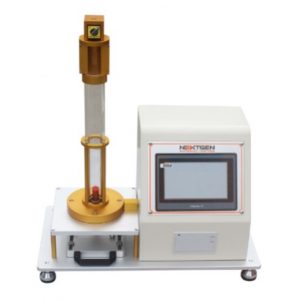 Rubber TestingGenRebound – Vertical Rebound Resilience TesterGenRebound is a vertical rebound resilience tester for measuring the elasticity and rebound behavior of hard rubber compounds and similar materials. Based on the...View product
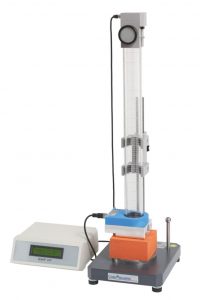 Plastic TestingBall Rebound TesterThe Ball Rebound Tester measures rebound resilience in foam, polyurethane, rubber, and similar materials. Designed for DIN EN ISO 8307 and ASTM D3574 testing, it...View product
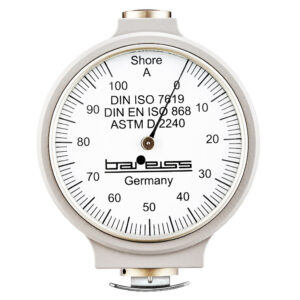 Plastic TestingAnalogue Shore Durometer with Test StandThe Classic Analogue Shore Durometer is a German-manufactured hardness tester for rubber and plastic materials, available with manual or automatic test stand...View product
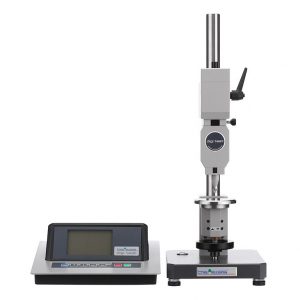 Plastic TestingAutomatic Shore, IRHD and VLRH Hardness Testing SystemDigi Test II is an automatic Shore, IRHD, and VLRH hardness testing system for rubber, plastics, foams, elastomers, O-rings, tubes, hoses, and shaped parts. It...View product
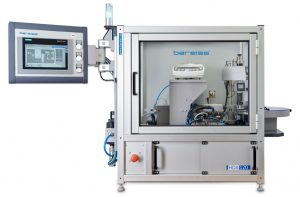 Plastic TestingHDA 120 – Hardness and Density Automation SystemHDA 120 is a semi-automatic hardness and density automation system for rubber and plastic sample characterization. It can handle up to 20 samples, perform three...View product
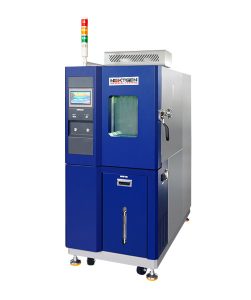 Plastic TestingNG-EC Series – Environmental Test Chambers (100–1000 L)NextGen NG-EC Environmental Chambers provide controlled temperature and humidity conditions for material, product, and quality-control testing. Available in 100,...View product
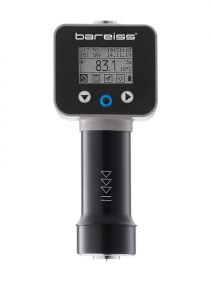 Plastic TestingPortable Shore Durometer System with Test StandHPE III is an advanced portable Shore durometer system for hardness testing of rubber, plastics, and related materials. It measures hardness while also displaying...View product
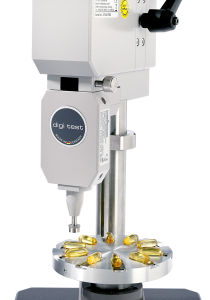 Plastic TestingCapsule and Soft Gel Hardness TesterGelomat is an automatic capsule and soft gel hardness tester for gelatin capsules, softgels, plasticine, edible gelatin, and similar materials. Available with 0–2 N...View product
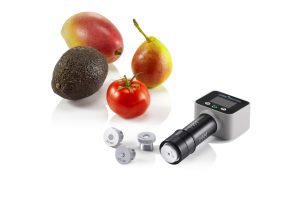 Plastic TestingFruit Firmness TesterNextGen’s Fruit Firmness Tester is a portable German-manufactured device for measuring firmness in fruits, vegetables, meat, and fish. Interchangeable anvils...View product
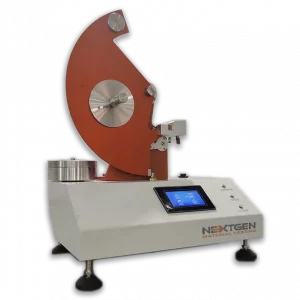 Plastic TestingGenElm Series – Elmendorf Tearing Tester (64 N and 128 N)GenElm Series is an Elmendorf tearing tester for measuring tear resistance of plastic film, sheeting, textiles, paper, board, and other flexible materials....View product
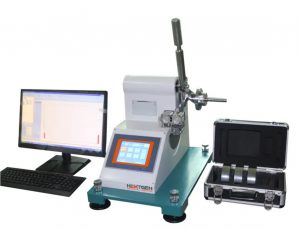 Plastic TestingHigh-Energy Elmendorf Tearing TesterNG-HE Elmendorf is a high-energy tearing strength tester for plastics, films, textiles, paper, and other flexible materials. It supports tear-force ranges up to 128...View product