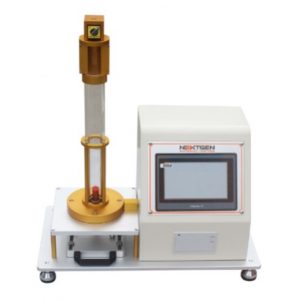
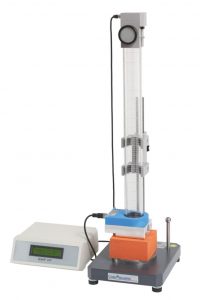
ASTM D3574 is a collection of test methods used to characterize slab, bonded, and molded flexible cellular polyurethane foams. It is commonly used to generate comparable property data for foam selection, product development, and incoming/outgoing quality checks.
Because ASTM D3574 contains multiple procedures (often including compression/indentation-style tests and other mechanical property checks), the right setup depends on which specific D3574 test is cited in your spec or drawing. If you want help matching your requirement to the correct test approach and equipment, talk with our team.
ASTM D3574-25 — Standard Test Methods for Flexible Cellular Materials—Slab, Bonded, and Molded Polyurethane Foams
ASTM D3574-25 is an ASTM “test methods” document focused on flexible polyurethane foam products made in slab, bonded, or molded form. It is widely referenced for generating consistent, repeatable lab data that supports R&D comparisons and routine production controls.
This standard is not a single one-size-fits-all test. It is a framework of defined procedures, and the equipment and programming details depend on the specific test(s) called out.
Quick Definition
What it is: A suite of standardized test procedures for flexible cellular polyurethane foams (slab, bonded, and molded).
What it’s used for: Producing comparable mechanical/property data for quality control, acceptance/rejection decisions, and development work.
Key practical point: Quotes and lab setups should be based on the exact D3574 test letter/section referenced (for example, indentation-style compression vs. tensile/tear vs. other procedures).
What This Standard Covers
ASTM D3574 applies to flexible cellular products commonly known as polyurethane foams, including slab foam, bonded foam, and molded foam forms. The standard provides test procedures intended to measure foam performance characteristics under defined conditions.
ASTM D3574 does not function as a product specification by itself—it provides the test-method “how-to” for generating data that may be required by internal requirements, customer specifications, or procurement documents.
Why This Standard Matters in Testing
Foam performance can vary significantly with formulation, density, cell structure, and processing. ASTM D3574 is commonly used to standardize how results are produced so that comparisons between lots, suppliers, and designs are meaningful.
For labs and QA/QC teams, the standard is often tied to pass/fail criteria in a separate requirement document (such as an internal material spec or an OEM purchasing spec) even though D3574 itself is a test-method document.
Common Materials, Product Types, or Applications Covered
Materials: Flexible polyurethane foams (including slab stock, bonded foam products, and molded flexible foam parts).
Common product contexts: Cushioning and comfort components where mechanical response under compression/indentation is critical, along with related physical/mechanical checks used in production control.
Where it shows up: Furniture, bedding, transportation seating, and other cushioning applications are frequent users of D3574-style test data.
Common Test or Verification Workflow
Workflows vary by the specific D3574 procedure, but a typical standards-based workflow includes:
- Identify the exact ASTM D3574 edition and the specific D3574 test(s) referenced in the requirement.
- Condition and prepare specimens as required by the cited procedure.
- Run the applicable compression/indentation, tensile, tear, or other defined procedure(s) and capture force/displacement (and any required timing/hold segments).
- Report results in the format expected by the controlling specification (including units and any required conditioning or precycling notes).
Revision sensitivity: Programming steps (precycling, ramps/holds, and reporting) can differ by procedure and edition, so the cited revision matters when you are building a test plan or purchasing fixtures.
Equipment Commonly Used for This Standard
Because ASTM D3574 includes multiple procedures, equipment is typically configured around the specific test(s) required rather than the standard number alone.
Common equipment families: Universal testing machines (UTMs) for foam compression/indentation-style tests and for tensile/tear-style procedures; compression platens and foam-specific indentation/compression fixtures; appropriate grips for compliant foam tensile/tear specimens; load cells sized for low-force, highly compliant materials.
Common configuration considerations: Fixture geometry and specimen size requirements can drive frame size, daylight, and platen/fixture selection. Many foam methods also require repeatable motion control with defined ramps and holds, so controller/software capability can be a practical gating factor.
If you are comparing frame capacity, fixture options, or control/software packages for ASTM D3574 work, you can request pricing for a configuration matched to the specific D3574 procedure(s) you need to run.
How to Read This Designation or Revision
Designation: “ASTM D3574” is the base standard number.
Year suffix: The “-25” in ASTM D3574-25 indicates the year of issue of that edition (2025). Older revisions are commonly cited the same way (for example, ASTM D3574-17).
Procurement tip: Always confirm whether your customer/spec requires a specific year edition and whether a specific D3574 test letter/section is referenced. Equipment, fixtures, and programming should be quoted to that exact requirement.
Related Standards, Methods, or Frameworks
ASTM D3574 notes that there is no single ISO equivalent to the overall standard, even though individual procedures may have similar or comparable ISO methods. In practice, this means you should avoid assuming an ISO substitution is acceptable unless your controlling specification explicitly allows it.
When a purchase spec references both ASTM D3574 and additional foam-related requirements, the controlling document (OEM spec, internal material spec, or contract requirement) should determine which methods, acceptance criteria, and reporting format apply.
Get help selecting the right ASTM D3574 test setup
Share the exact ASTM D3574 edition and the specific test procedure(s) you need to run, and we can help map that requirement to a practical machine-and-fixture configuration for your lab. For application guidance and configuration help, contact our team.