Preparing flat tensile test pieces is an important part of the testing workflow. Geometry, edge quality, repeatability, and operator consistency can all influence part condition before tensile testing begins. When this stage is not well controlled, variation can be introduced before the material ever reaches the test frame.
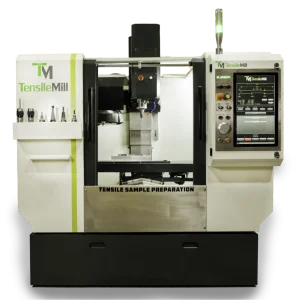
We offer the TensileMill CNC MINI and now the TensileMill CNC Micro models as a compact system for preparing standardized flat tensile test pieces for laboratory and production environments. It supports a range of widely used standards, including ASTM E8, ASTM A370, ISO 6892-1, DIN 50125, and JIS Z2201. Operators can work from preloaded profiles in the TensileSoft™ interface or enter custom dimensions when application requirements call for them.
The MINI is aimed at teams that need a more compact way to handle flat tensile preparation without stepping up to a much larger system. Its compact footprint, guided touchscreen operation, cast iron frame, and high-speed spindle make it a strong fit for facilities that prepare these parts on a routine basis. In this article, we look at what the machine is designed to do, where it fits best, which preparation issues it helps reduce, and which features and specifications matter most.
What the TensileMill CNC MINI Is Built For
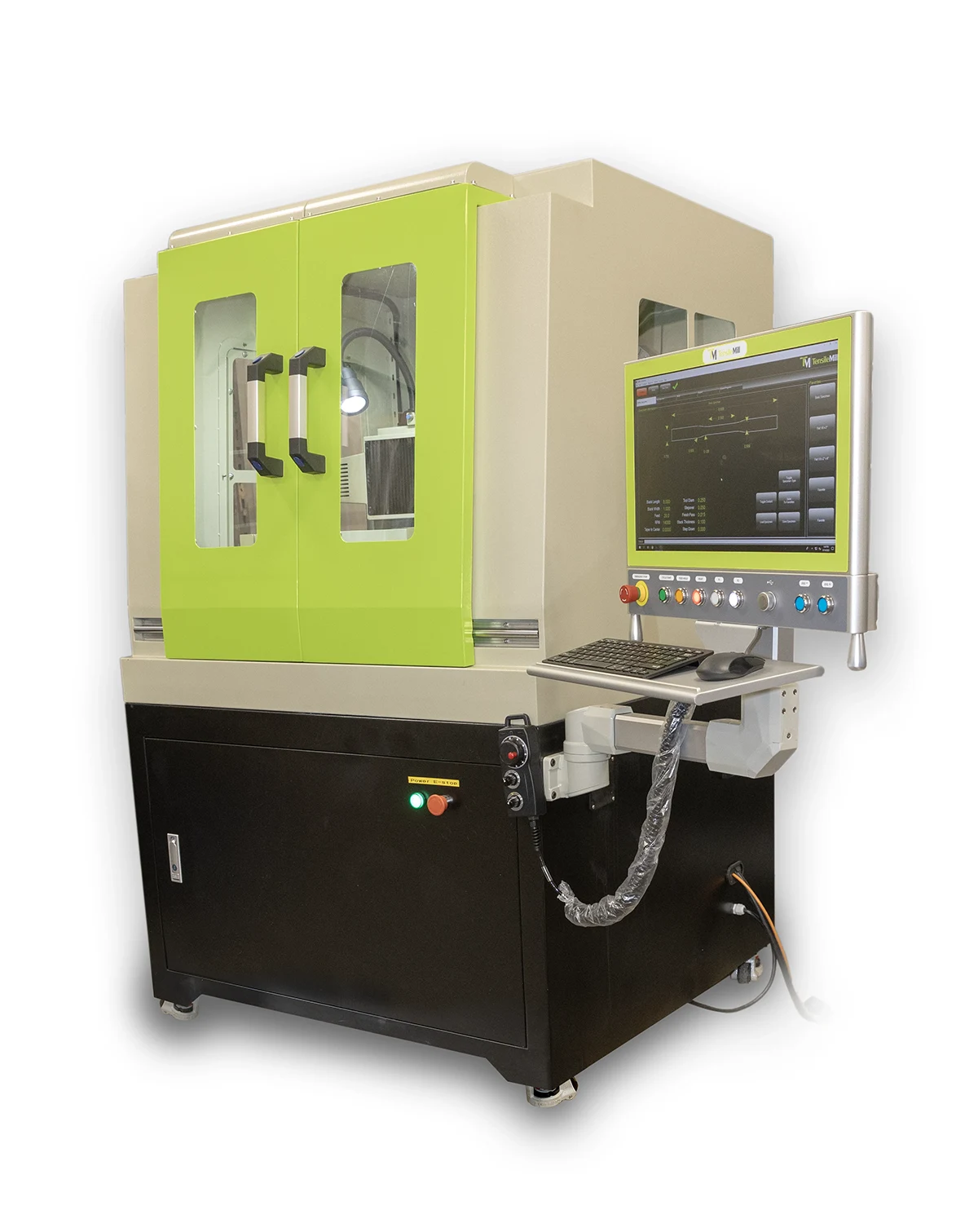 This system is designed to prepare standardized flat tensile test pieces with consistent geometry for routine laboratory use. Rather than leaving this stage to a separate manual process, we offer a dedicated CNC platform that brings more structure to flat tensile preparation and helps maintain dimensional consistency from one job to the next.
The system is a practical fit for materials testing labs, QA environments, and manufacturing sites that want to machine flat tensile parts in-house without moving to a much larger platform. Its compact footprint is one advantage, but the machine is also built for stable, daily operation, with a cast-iron frame, linear-rail motion, a servo-driven architecture, and a high-speed spindle.
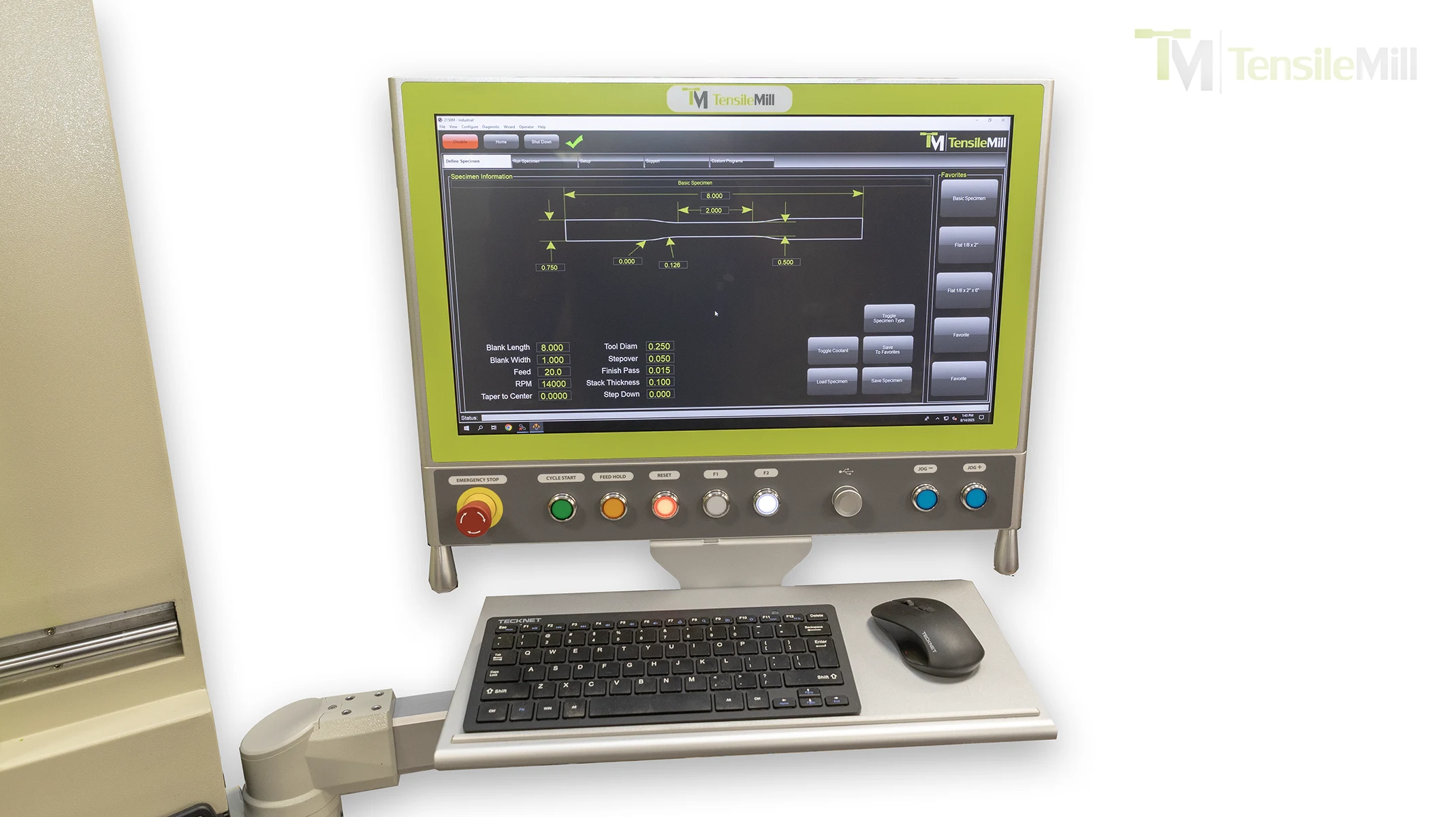
For day-to-day work, the guided TensileSoft™ interface gives operators a more organized setup process. Users can choose from preloaded standard profiles or enter custom dimensions directly at the machine, helping keep part geometry aligned with the required format and making recurring jobs easier to run.
The MINI is especially useful in environments where preparation needs to stay consistent across operators, shifts, or repeat orders. It gives facilities a more manageable way to handle flat tensile machining in small-scale to medium-volume settings, while reducing reliance on advanced CNC experience for routine work.
Why a Compact System Still Needs Serious Machining Capability
A compact preparation system still has to deliver stable cutting and consistent motion in daily use. That is the point behind the TensileMill CNC MINI. Rather than relying on size alone as a selling point, the machine is built around the mechanical stability needed for routine flat tensile work, including a cast iron frame, linear rail motion, servo-driven control, and a high-speed spindle platform.
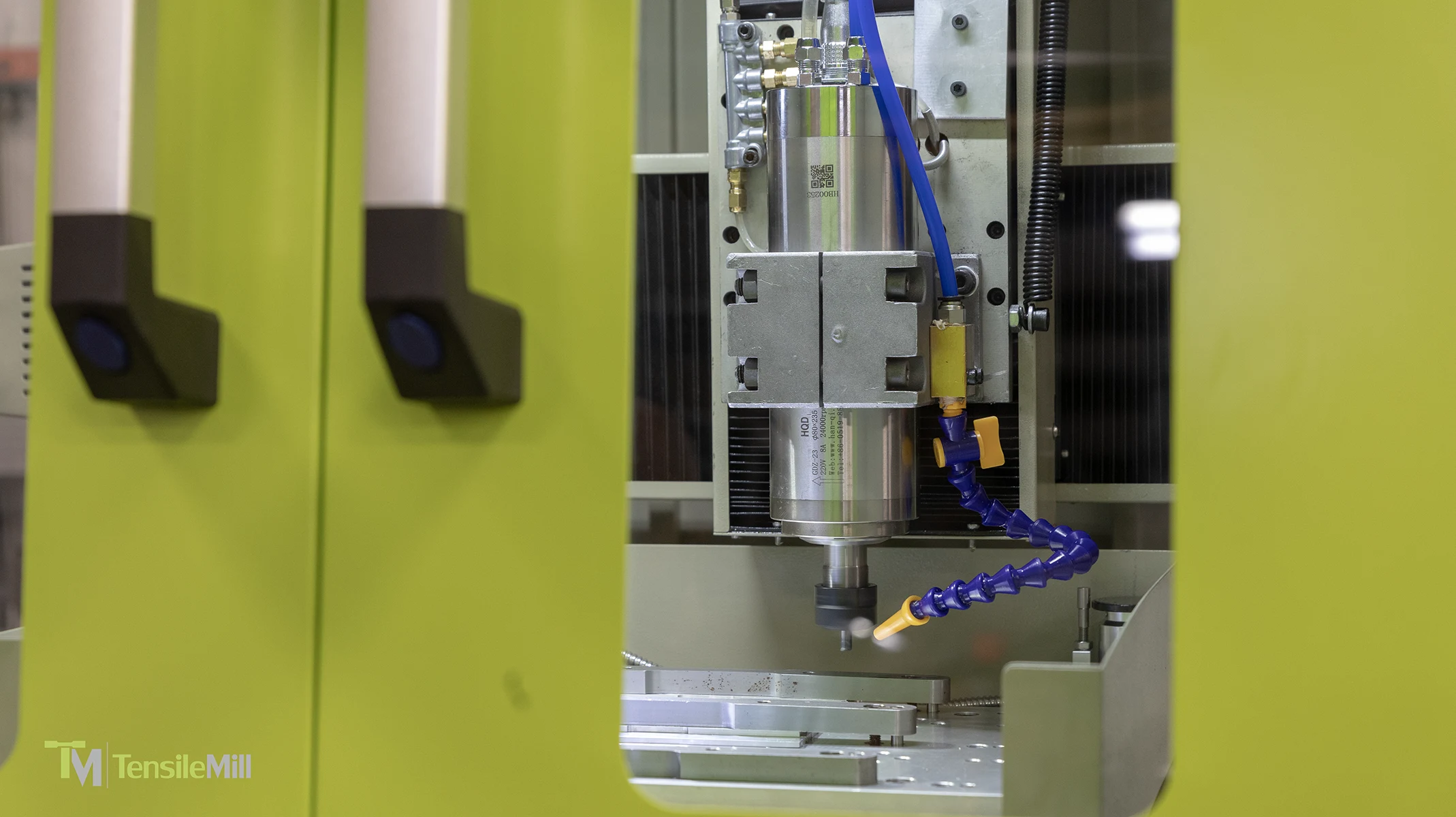
That matters because a smaller footprint only helps when machining performance remains dependable from one job to the next. In the MINI, compact size is paired with the core capability needed for regular flat tensile preparation, including spindle speeds up to 24,000 rpm and repeatability rated at ±0.0003 in (±0.01 mm). This gives labs and production teams a machine that fits more easily into limited floor space without giving up the control needed for consistent machining.
Daily use also depends on how easily operators can run recurring jobs. The TensileSoft™ touchscreen interface is designed specifically for flat tensile preparation, allowing users to choose preloaded geometries or enter custom dimensions directly at the machine. That helps make setup more consistent across users, shifts, and repeat work, while keeping routine operation straightforward.
Key Features of the TensileMill CNC MINI
Built as a compact platform for tensile preparation, the MINI includes features that support steady, repeatable day-to-day use. Rather than repeating the full technical specification here, it makes more sense to highlight the features that shape how the machine performs in routine work. Here are the main features:
- Compact footprint with usable work area
The MINI is well-suited to facilities that want to handle flat tensile preparation in-house without committing space to a much larger platform. Its compact layout makes integration easier while still supporting regular machining work. - Cast iron frame and linear motion platform
The machine is built on a cast iron frame and uses linear rail motion components to support cutting stability during repeat work. This helps maintain more consistent machining conditions over time. - High-speed spindle capability
The spindle platform gives the machine the speed needed for controlled machining across a range of flat tensile materials. In daily use, it supports surface consistency, dimensional accuracy, and repeatable cutting performance. - Servo-driven positioning and repeatable motion
The motion system combines servo control with a precision drive architecture to support accurate positioning during recurring jobs. That gives operators a more dependable process when the same geometry has to be produced consistently over time. - TensileSoft™ touchscreen control
The guided TensileSoft™ interface is built specifically for flat tensile preparation. It gives users a direct way to select stored formats, enter custom dimensions, and manage setup at the machine. - Stored job formats and preloaded profiles
The software includes preloaded tensile formats and can store previously used dimensions, which helps reduce setup repetition on recurring work and makes day-to-day operation more efficient. - Optional Carbon CNC upgrade
For facilities that need broader CNC functionality, the MINI can be upgraded with the Carbon CNC package. This expands control, memory, connectivity, and machining flexibility beyond the standard preparation workflow.
Who the TensileMill CNC MINI Fits Best
This system is a practical match for materials testing labs, QA/QC teams, and other establishments that need to prepare standardized tensile test pieces in-house with better control over geometry and setup consistency.
It is also a strong match for sites with limited floor space that still need a dedicated preparation platform for regular daily work. The compact layout makes it easier to integrate into a smaller lab without giving up the mechanical stability expected from a purpose-built system.
The MINI also fits teams that run recurring preparation jobs and want a more structured workflow at the machine. Operators can use preloaded profiles in the TensileSoft™ interface or enter custom dimensions directly.
It also works well in quality control labs and training environments where guided operation is important. The touchscreen interface can help simplify onboarding for newer users, which makes the system a practical option for organizations that want a dedicated in-house process without relying on advanced CNC experience for every routine task.
What Problems This System Helps Solve
The TensileMill CNC MINI addresses a common problem in both laboratory and production settings: flat tensile sample preparation needs to stay consistent in daily use without turning into a heavily manual, operator-dependent process.
One of the main issues it helps reduce is variation from one job to the next. The MINI is built around a dedicated machining platform with the structural and motion stability needed to keep recurring preparation work more consistent over time.
It also helps reduce operator-dependent variation. Through the TensileSoft™ interface, users can choose stored profiles or enter custom dimensions directly at the machine, and the software can retain previously used sizes for recurring work. The product description also notes a triple sample fixture intended to reduce operator involvement time and support higher day-to-day efficiency.
Just as important, the system supports a more structured preparation workflow. The touchscreen control is designed specifically for flat tensile work rather than general-purpose CNC use, which helps make setup more direct and more consistent across users and shifts. We also offer training and support programs to help standardize workflow practices over time.
Supported Standards
TensileMill CNC MINI supports geometries used in several widely recognized flat tensile testing standards. Below are some of the main references associated with this system.
- ASTM E8: Commonly used for tension testing of metallic materials, ASTM E8 defines sample geometry and general testing practice for flat and round forms in laboratory and quality control work.
- ASTM A370: This standard covers mechanical testing procedures for steel products and is often referenced when tensile sample preparation has to align with broader steel testing requirements.
- ISO 6892-1: Widely used in international metals testing, ISO 6892-1 outlines tensile testing at room temperature and is commonly referenced when sample geometry needs to align with global testing practice.
- DIN 50125: This German standard is associated with tensile test piece design and is often relevant when labs or manufacturers work with European testing formats and dimensional requirements.
- JIS Z2201: JIS Z2201 defines tensile test piece shapes used in Japanese industrial practice and is relevant for teams working to JIS-based material testing requirements.
Technical Specifications and System Configuration
The TensileMill CNC MINI combines a compact footprint with the machining capability needed for flat tensile preparation. Key specifications include:
- Working Area (X/Y/Z): 15.75 × 15.75 × 7.87 in (400 × 400 × 200 mm)
- Spindle Speed: 24,000 rpm
- Spindle Motor Power: 3 hp (2.2 kW), water-cooled
- Maximum Feed Rate: 500 ipm (12.7 m/min)
- Position Repeatability: ±0.0003 in (±0.01 mm)
- Overall Dimensions (Door Closed): 72 × 43 × 44 in (1829 × 1092 × 1321 mm)
- Controller Interface: TensileSoft™ on 10-inch touchscreen
Turnkey Package and Upgrade Options
The system is available with a turnkey package for standardized flat tensile preparation. Key package elements include:
- Tooling: (1) 0.250″ ER collet and (1) 0.250″ shank end mill
- Clamping Fixture: Custom tensile clamp fixture for standardized flat tensile preparation
- Motion System Option: 3-axis servo package, available as an upgrade
Service, Training, and Ongoing Support
The TensileMill CNC MINI is supported as part of a broader long-term operating setup, not just as a standalone machine. We offer maintenance and training plans to help keep the system running reliably over time.
That support is especially important for teams bringing flat tensile preparation in-house, particularly when multiple operators or shifts are involved. Training programs for new and existing users can help teams maintain more consistent operating practices as personnel changes over time.
Support also matters beyond initial startup. Preventive service scheduling is presented as part of long-term system care, while the broader support offering includes on-site installation, operator guidance, and after-sales technical assistance.
Why the TensileMill CNC MINI Makes Sense for Flat Specimen Preparation
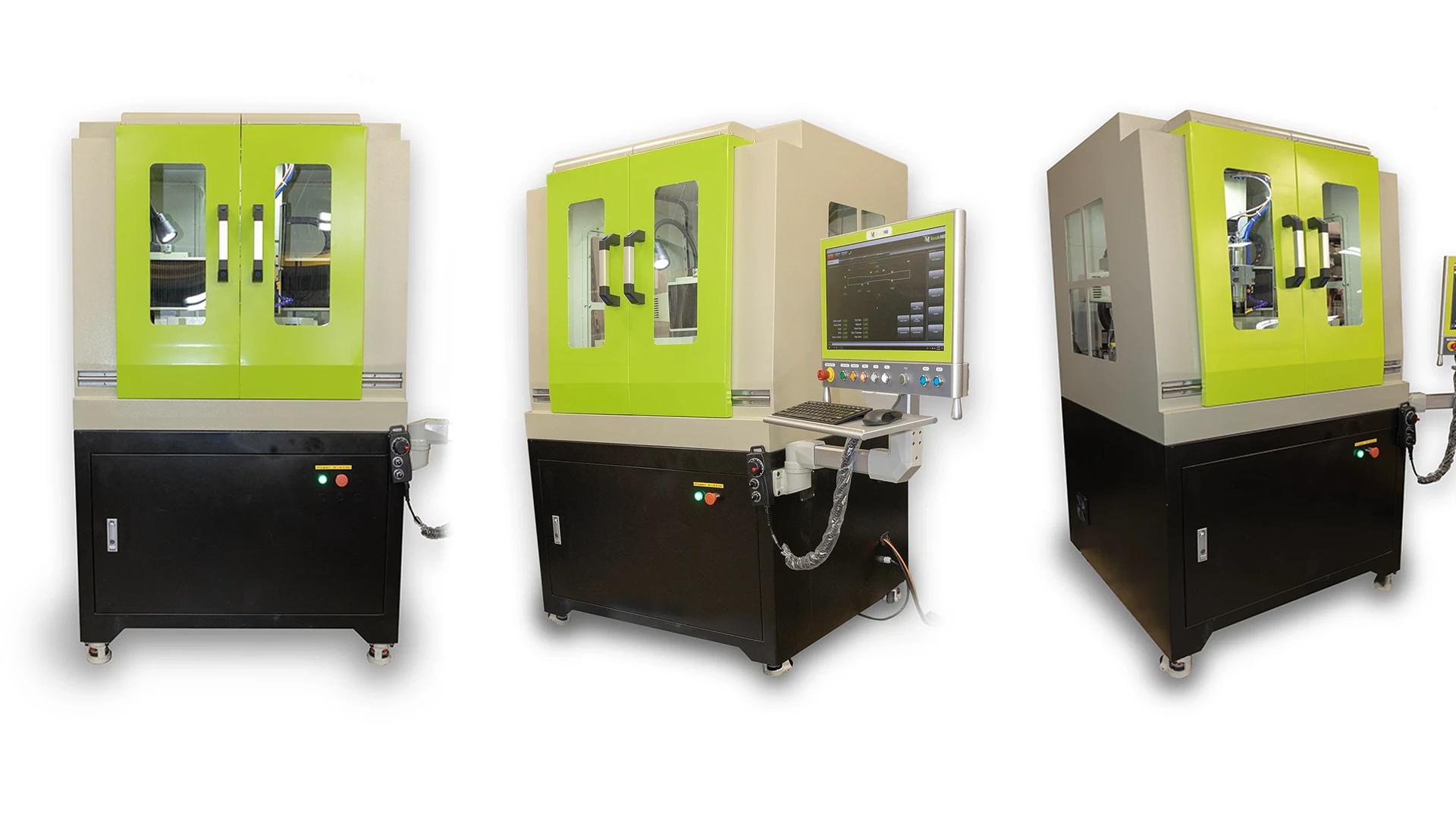
The TensileMill CNC MINI is built for exactly that kind of environment. It combines a compact footprint, guided operation, and the machining stability needed for standardized flat tensile work, giving teams a more practical way to manage preparation in-house without moving to a much larger platform.
If your team is reviewing ways to improve tensile specimen preparation, you can request a quote to discuss your specimen types, applicable standards, material range, space requirements, and expected daily workload. We can help you evaluate whether the TensileMill CNC MINI is the right fit for your workflow and preparation needs.
Keep Reading in Flat Tensile Specimen Preparation Machines
See the Flat Tensile Specimen Preparation Machines range Flexural (Bend) Testing Explained: 3-Point vs 4-Point, Standards, and SetupFlexural (bend) testing explained: what it measures, three-point vs four-point setups, the standards for plastics, metals, composites and concrete, and how to choose the right fixtures and...Read the articleGenTest Software Setup Guide for NextGen NG-EML Universal Testing MachinesGenTest setup affects the full UTM testing workflow: method storage, PC-to-controller communication, user permissions, simulation files, live data acquisition, and report output. This guide follows the GenTest setup video step by step for NextGen NG-EML electromechanical universal testing machines. It covers installation, license activation, workspace configuration, UTM controller connection, safety and peripheral setup, user management, DEMO Mode, simulation files, Control Panel setup, Quick Test, and test method creation. GenTest is the software layer where the test method, machine connection, operator input, live data, calculated results, and report output come together. For operators, service teams, QA/QC labs, and R&D users, the goal is to...Read the articleBrinell, Rockwell, Vickers, or Microhardness: Which Test Makes Sense for Your Application?Choosing a hardness test starts with the part itself. Material type, section thickness, geometry, surface condition, inspection purpose, and required testing speed all affect which method will produce a reliable result. Brinell, Rockwell, Vickers, and microhardness methods work differently, so they are not equally suitable for the same component or the same quality task. Brinell, Vickers, and Knoop are based on the size of an indentation, while Rockwell is based on indentation depth. That difference directly affects how the result is obtained and where the method fits best. In production and lab work, problems usually appear when the test method does not fit the application. A part may be too thin for the selected load, the surface may be too rough...Read the articleSpecimen Size Effects in Charpy Testing: What Engineers Need to KnowCharpy V-notch testing remains widely used because it offers a standardized and efficient way to evaluate impact behavior in metallic materials. In production, qualification, and failure analysis work, it is often used to compare toughness response across temperatures, material conditions, and product forms. The standard Charpy specimen measures 10 × 10 × 55 mm, but that geometry is not always available in practice. Thin sections, weld zones, heat-affected zones, and limited extraction volumes often make full-size specimens impractical. ISO 148-1 addresses this directly by permitting sub-size specimens when a standard specimen cannot be produced, including reduced-thickness options such as 7.5 mm, 5 mm, and 2.5 mm. That change affects more than the...Read the articleHow to Choose the Right Impact Specimen Cooling Temperature ChamberChoosing an impact specimen cooling temperature chamber is not a question of chasing the lowest number on a specification sheet. In real lab conditions, the better chamber is the one that brings specimens to the required temperature, keeps that temperature stable, and fits the transfer routine to the impact tester without creating avoidable variation. That distinction matters because impact results are temperature-sensitive, especially when testing programs move away from ambient conditions or into the ductile-to-brittle transition range. For most buyers, the mistake starts with oversimplification. A chamber that can reach an ultra-low setpoint still may not be the right choice if the control band is too loose, the conditioning medium is poorly...Read the articleGenChamber Review: Cooling and Heating Chamber for Impact SpecimensHow can engineers be certain that an impact test tells the full story about a material’s performance? The answer often lies in how the specimens are prepared before the pendulum ever strikes them. Temperature has a powerful effect on metals: a sample chilled to subzero conditions can fracture suddenly, while the same material at elevated temperatures may bend or deform without breaking. If specimens are not conditioned correctly, test results can vary and may not reflect the real performance of the material. That is why the GenChamber was developed. It is a specialized cooling and heating chamber developed for the precise preparation of Charpy and Izod impact specimens. In this review, we will walk through what the GenChamber is designed to do, its...Read the articleMeet the New NG-EML Series Electromechanical UTMs from NextGenLooking for a reliable electromechanical universal testing machine that fits your lab’s needs – whether compact and precise or built for heavy-duty performance? At NextGen Material Testing, we’ve just relaunched our NG-EML Series – a refined family of electromechanical UTMs designed to support everything from everyday quality control to advanced materials research. The updated NG-EML lineup brings better control, wider force ranges, improved user safety, and smarter software integration — all in one cohesive platform. In this article, we’ll walk you through what’s new, what each model offers, and how these systems can support your team’s testing workflow. If you’re curious about what’s possible with our newest generation of UTMs, keep reading....Read the article
Machines Behind This Article
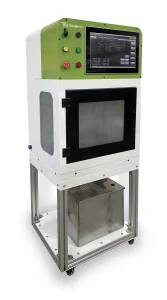 Flat Tensile Specimen Preparation MachinesTensileMill CNC MICRO – Flat Tensile Specimen Preparation MachineTensileMill CNC MICRO is a compact 2-axis machine for preparing flat tensile and impact specimens in-house. Designed for metals, plastics, and composites, it...View product
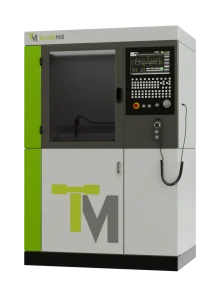 Flat Tensile Specimen Preparation MachinesTensileMill CNC Classic Upgrade – Flat Tensile Specimen Preparation MachineTensileMill CNC Classic Upgrade is a hybrid CNC specimen preparation system for machining flat tensile and Charpy/Izod impact specimens in-house. It combines...View product
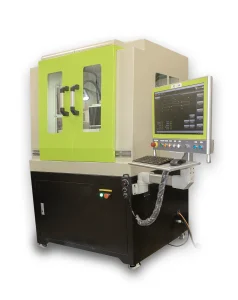 Flat Tensile Specimen Preparation MachinesTensileMill CNC MINI – Compact Flat Tensile Specimen Preparation MachineTensileMill CNC MINI is a compact flat tensile specimen preparation system for laboratories that need in-house CNC machining without a large industrial footprint....View product
 Flat Tensile Specimen Preparation MachinesTensileMill CNC XL – Flat Tensile Specimen Preparation MachineTensileMill CNC XL is a high-capacity flat tensile specimen preparation machine for laboratories and production floors handling larger or tougher materials. It...View product
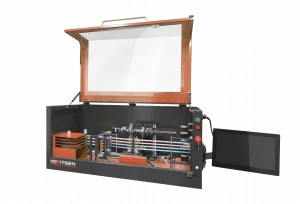 Tensile Sample PreparationNG-AutoPol – Automatic Longitudinal Polisher for Tensile SpecimensNG-AutoPol is an automatic longitudinal polishing system for metallic tensile and fatigue specimens. It removes machining marks, grinding stress, and residual...View product
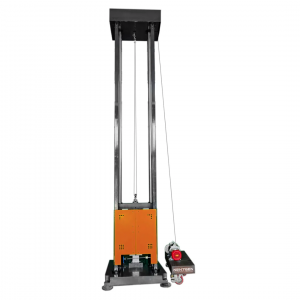 Metal TestingDWT-1800 – Computer-Controlled Drop Weight Impact TesterDWT-1800 is a computer-controlled drop weight impact testing machine for evaluating impact resistance in metal and non-metal materials. Capable of high-energy tests...View product
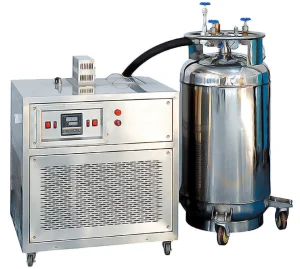 Metal TestingNG-ISCC Series – Impact Specimen Cooling ChamberNG-ISCC Series is a low-temperature chamber for conditioning Charpy impact specimens before pendulum impact testing. Available in -60°C, -80°C, -100°C, and -196°C...View product
 Metal TestingGenTor – Horizontal Torsion TesterNextGen GenTor is a horizontal torsion tester for measuring torque, torsion angle, deformation, and torsional strength in metals and components. With capacity...View product
 Metal TestingHeavy-Duty Bending Fixtures for Hydraulic Flexural TestingHeavy-duty bending fixtures support high-force flexural testing of metals, composites, ceramics, reinforcing bars, and structural materials on hydraulic universal...View product
 Metal TestingNG-EML Series H – Horizontal Universal Testing MachineNG-EML Series H is a horizontal universal testing machine line for tensile, proof load, elongation, and breaking force testing of long or difficult-to-handle...View product
 Metal TestingNG-FLX Series A – Flexural and Bend Testing SystemNG-FLX Series A is an electromechanical flexural and bend testing system for controlled sheet metal bending, three-point bend testing, flattening tests, ductility...View product
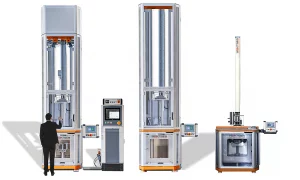 Metal TestingNG-FWT1 and NG-FWT2 – Drop Weight Impact Testers (up to 2000 J)NG-FWT1 and NG-FWT2 are low-capacity vertical drop weight impact testers for controlled falling-weight tests up to 2000 J. They help evaluate impact resistance,...View product