ASTM C42/C42M is the ASTM test method used to obtain, prepare, and test drilled cores from concrete for length, compressive strength, and splitting tensile strength determinations. It is commonly used when a project needs direct data from in-place hardened concrete rather than relying only on molded specimens.
This standard is often used in concrete investigations, follow-up testing after low strength results, and condition assessments of existing structures. Because specimen location, geometry, moisture condition, and the property being measured all influence the testing path, Contact Us if you need help matching ASTM C42/C42M to the right concrete core testing setup.
ASTM C42/C42M: Standard Test Method for Obtaining and Testing Drilled Cores and Sawed Beams of Concrete
ASTM C42/C42M is a concrete test method centered on specimens removed from in-place concrete. It covers drilled cores used for length, compressive strength, or splitting tensile strength determinations, and it also includes recommendations for sawed beams when flexural performance is being evaluated.
This makes ASTM C42/C42M important when the question is not only how a mix performed in molded cylinders, but how the concrete placed in the structure is performing.
The summary below highlights the scope points that most often affect testing plans and equipment selection.
| Item | ASTM C42/C42M Summary |
|---|---|
| Document type | Standard test method |
| Primary specimen | Drilled concrete cores |
| Main determinations | Core length, compressive strength, and splitting tensile strength |
| Beam-related content | Recommendations for sawed beams used for flexural evaluation |
| Material focus | In-place hardened concrete |
| Exclusion | Shotcrete cores use ASTM C1604/C1604M |
| Example cited edition | ASTM C42/C42M-20 |
Quick Definition
ASTM C42/C42M is the standard test method used to remove concrete cores from a structure or placement, prepare those specimens, and support testing for key in-place concrete properties.
Common outputs: Core length, compressive strength, splitting tensile strength, and sawed-beam flexural evaluation when that part of the standard is used.
Primary testing context: Hardened concrete already placed in the field.
What This Standard Covers
The core scope of ASTM C42/C42M is drilled concrete cores taken from hardened concrete. The method addresses specimen obtaining, preparation, and testing for length, compressive strength, and splitting tensile strength.
The standard also points to sawed beams for flexural performance through Appendix X1. That means not every ASTM C42/C42M project is a beam test program; many are core-based investigations focused on in-place strength.
ASTM C42/C42M is not the method for shotcrete cores. When the material is shotcrete, ASTM C1604/C1604M is the applicable ASTM path.
Unit format: ASTM publishes this as a combined SI and inch-pound standard, and the two systems are used separately rather than mixed.
Why This Standard Matters in Testing
ASTM C42/C42M is one of the main standards used when a team needs direct evidence from the concrete that was actually placed in service. It is commonly part of investigation work after low strength test results, visible distress, or assessment of older structures.
Results from drilled cores are sensitive to where the sample was taken, how the core is oriented, the specimen moisture condition, and the length-to-diameter ratio of the core as tested. Those variables affect how results are interpreted and why specimen planning matters before equipment is selected.
Core strength also does not have a single fixed relationship to the strength of standard-cured cylinders. That is why project acceptance decisions usually depend on the governing code or the criteria set by the specifier of the tests rather than on a simple one-to-one conversion.
Common Materials, Product Types, or Applications Covered
ASTM C42/C42M applies to in-place hardened concrete removed from structures or concrete placements. It is commonly used in structural elements, slabs, and other hardened concrete that requires condition or strength evaluation.
Typical use cases include new construction follow-up work, forensic or condition assessments, and targeted evaluation of suspect locations within a structure.
Not intended for: Shotcrete cores, which follow ASTM C1604/C1604M.
Common Test or Verification Workflow
ASTM C42/C42M usually fits into a staged field-to-laboratory workflow. The exact path depends on whether the goal is length measurement, compressive strength, splitting tensile strength, or flexural evaluation using sawed beams.
-
Define the objective of the investigation and choose sampling locations in the concrete element.
-
Remove drilled cores from the structure, or prepare sawed beams when flexural work is part of the program.
-
Prepare specimen geometry and test surfaces, then condition the specimen as required for the chosen evaluation.
-
Measure core dimensions and perform the selected mechanical test or length-related check.
-
Report results to the cited ASTM edition and compare them with project requirements, code criteria, or the criteria established by the specifier of the tests.
Not every project uses every branch of the method. A compression-only investigation, for example, needs a different lab setup than a program that also includes splitting tensile or flexural work.
Equipment Commonly Used for This Standard
ASTM C42/C42M can point to both field equipment and laboratory equipment. The practical equipment path depends on whether you are only removing cores, preparing specimens, or also completing the downstream mechanical testing.
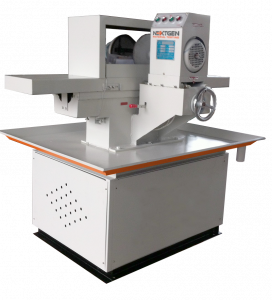
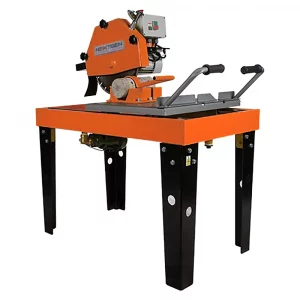
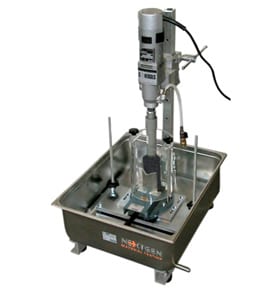
Common equipment families: Concrete core drills and coring rigs, diamond core bits, specimen saws, end-preparation tools, measuring devices, compression testing machines, splitting tensile fixtures, and flexural test frames for sawed beams when required.
For compressive testing, ASTM C42/C42M specimens are commonly paired with equipment suited to cylindrical concrete compression workflows. Where the lab uses capped or unbonded end-preparation systems, related ASTM practices may also shape the accessory package.
The most important quoting question is usually whether you need a complete system that includes coring, specimen preparation, and testing, or only the laboratory portion after cores have already been removed.
How to Read This Designation or Revision
ASTM C42/C42M is the base designation for this concrete test method.
C42/C42M: The paired designation indicates a combined ASTM standard that includes SI and inch-pound units in the same document.
-20 in ASTM C42/C42M-20: The number after the dash identifies the revision year of the cited edition.
Edition control: Project specifications, contracts, and reports should match the exact cited revision because sampling, preparation, or reporting details can change between editions.
Related Standards, Methods, or Frameworks
ASTM C42/C42M is often used alongside other concrete test methods and practices that cover the specific measurement performed after the core or beam has been prepared.
-
ASTM C39/C39M: Commonly used for compressive strength testing of cylindrical concrete specimens, including cores prepared under ASTM C42/C42M.
-
ASTM C496/C496M: Used when drilled cores are evaluated for splitting tensile strength.
-
ASTM C78/C78M: Relevant when sawed beams are tested for flexural strength.
-
ASTM C1542/C1542M: Used for measuring the length of concrete cores obtained under ASTM C42/C42M.
-
ASTM C1604/C1604M: Used instead of ASTM C42/C42M when the cored material is shotcrete.
Get Help Matching ASTM C42/C42M to Your Equipment Plan
If you are selecting equipment for drilled concrete cores, sawed-beam work, or a full in-place concrete testing workflow, the right configuration depends on the properties you need to measure and where the work will be done. Request a Quote for a system aligned with your ASTM C42/C42M scope.