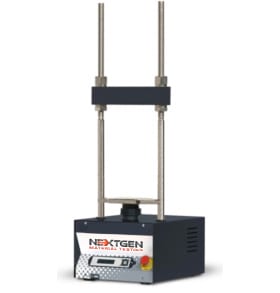
AASHTO T 245 is a standard method of test used with the Marshall apparatus to evaluate the resistance to plastic flow of compacted asphalt mixture specimens. It is widely used in Marshall mix design and in lab QA/QC where agencies still specify Marshall stability and flow acceptance criteria.
If you need help matching your Marshall setup to the edition cited in your project documents (including conditioning temperature, instrumentation, or reporting expectations), talk with our team.
AASHTO T 245: Standard Method of Test for Resistance to Plastic Flow of Asphalt Mixtures Using Marshall Apparatus
AASHTO T 245 describes a Marshall-apparatus-based procedure for loading cylindrical asphalt mixture specimens and characterizing their resistance to plastic flow under test conditions defined by the standard. The results are commonly used as part of Marshall mix design decisions and as checkpoints for production mix consistency.
This method focuses on the Marshall test response itself. Specimen preparation guidance that used to be embedded in T 245 has been moved to a separate AASHTO practice (AASHTO R 68), so it is important to confirm what preparation document your specification cites before setting up a workflow.
Quick Definition
A Marshall stability/flow-style test method for compacted asphalt mixture specimens, using a Marshall apparatus to apply load and measure the mixture’s response related to plastic flow resistance.
What This Standard Covers
AASHTO T 245 covers measurement of resistance to plastic flow for cylindrical asphalt mixture specimens loaded on the lateral surface using a Marshall apparatus.
Material scope (high level): Asphalt mixtures containing asphalt binder (including cutback applications where allowed by the cited edition), with aggregate sizes within the limit stated by the standard.
Key outputs (typical): Results are commonly reported as Marshall “stability” (maximum load) and “flow” (deformation at the point of maximum load), along with associated specimen details required by the test report section of the cited edition.
Why This Standard Matters in Testing
T 245 is often the method behind bid documents and agency specifications that still reference Marshall-based acceptance or Marshall mix design requirements. For labs, it provides a standardized way to compare mix designs or production samples using a common apparatus, conditioning approach, and reporting format tied to the cited edition.
Because agencies may apply local modifications (for example, specimen preparation targets, conditioning, or acceptance limits), the purchasing and setup decisions for equipment should be tied to the controlling project specification as well as the exact T 245 edition referenced.
Common Materials, Product Types, or Applications Covered
AASHTO T 245 is most commonly applied to hot mix asphalt (HMA) and other asphalt paving mixtures evaluated with a Marshall mix design approach.
Common use cases: Mix design development, verification of Marshall design points, troubleshooting mix changes (binder content, gradation shifts), and ongoing plant/field quality monitoring when Marshall criteria are part of the contract requirements.
Common Test or Verification Workflow
While project requirements vary, a typical Marshall workflow tied to T 245 includes preparing compacted cylindrical specimens per the cited preparation document, conditioning specimens at the required temperature, applying load in the Marshall apparatus, and recording the required test response values and specimen information.
Common workflow touchpoints: specimen preparation (often referenced to AASHTO R 68), temperature conditioning (water bath or environmental conditioning equipment), stability/flow testing on the Marshall frame, and companion volumetric testing where required by the governing mix design/specification.
Equipment Commonly Used for This Standard
Equipment selection for AASHTO T 245 usually centers on the Marshall stability/flow test station plus the temperature conditioning and measurement tools needed to run repeatable tests.
Common equipment families: Marshall stability testing machine or load frame (with appropriate rate control), Marshall breaking head assembly, calibrated load measurement (load ring/proving ring or load cell), flow measurement device (dial gauge or transducer), and a temperature-controlled water bath/conditioning setup matched to the standard/specification.
Practical selection caution: Your required configuration can change based on whether your lab runs manual vs. automated data capture, the agency’s preferred load/flow instrumentation, and whether the same station is expected to support specimen preparation steps referenced elsewhere (for example, compaction equipment defined outside T 245).
If you are outfitting a new Marshall station or upgrading an older load/flow measurement package, you can request a detailed quote with the options matched to your reporting and throughput needs.
How to Read This Designation or Revision
AASHTO test methods are commonly cited as “T” followed by the method number, and many editions include a two-digit year identifier (for example, T 245-22). Specifications may also cite a year plus later editorial updates or reapprovals.
Revision sensitivity: Small changes between editions can affect temperature measurement expectations, conditioning details, required apparatus features, and reporting requirements. When an agency specification cites a specific edition (or adds modifications), align your SOPs and equipment setup to that exact citation.
Related Standards, Methods, or Frameworks
AASHTO T 245 is frequently used alongside other asphalt-mixture test methods in a Marshall mix design and acceptance workflow, especially methods used for specimen preparation and volumetric characterization.
Often paired references (confirm what your agency requires): AASHTO R 68 for specimen preparation (where cited), and common companion tests for bulk specific gravity and theoretical maximum specific gravity when volumetrics are part of the governing mix design/specification.
Get help selecting a Marshall testing setup for AASHTO T 245
If you can share the exact T 245 edition cited in your contract documents and whether you need manual or automated load/flow capture, contact our team for guidance on an equipment configuration that fits your lab’s workflow.