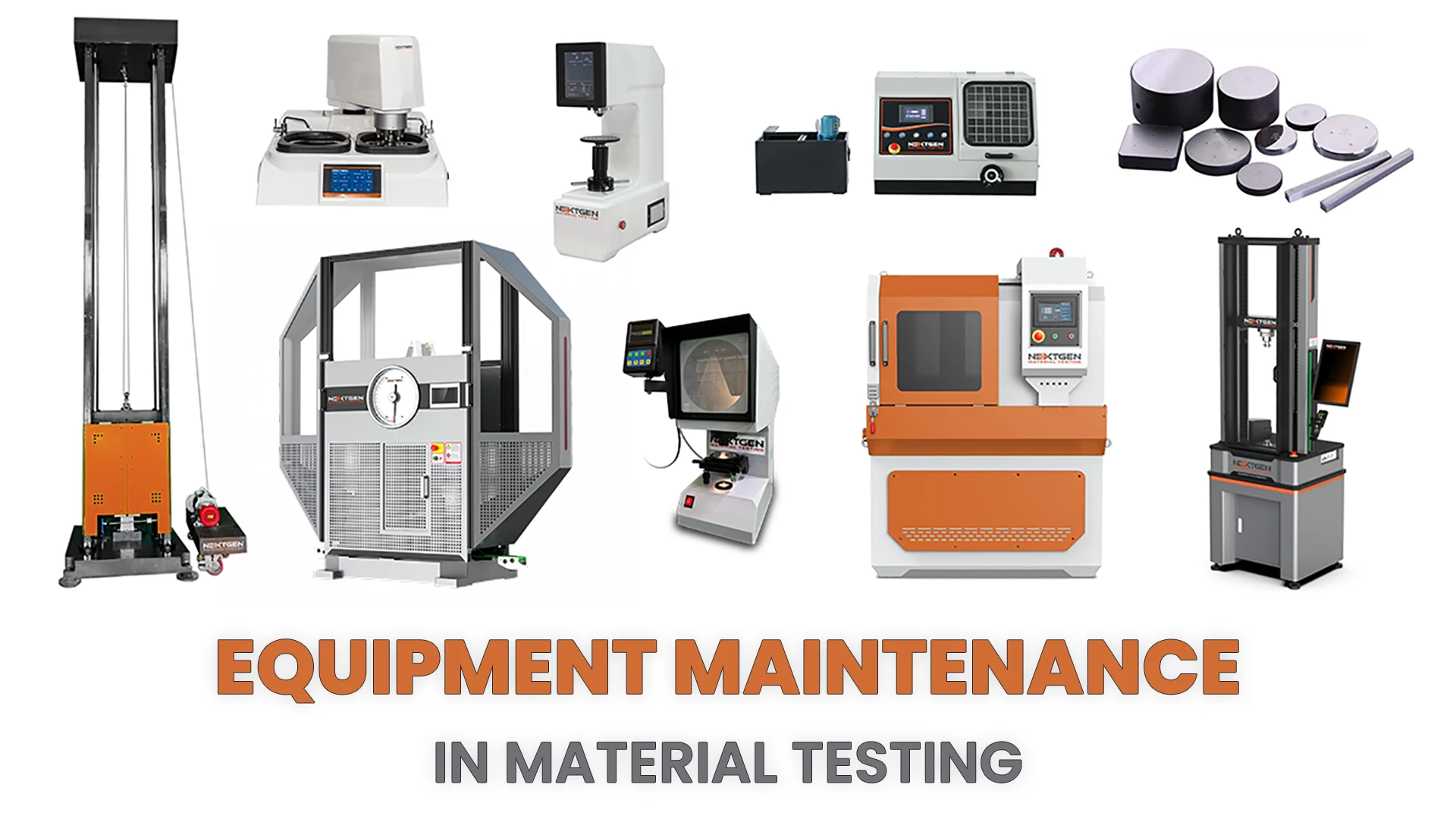
For many manufacturers, test equipment is treated as a one-time investment. It arrives calibrated, runs properly, and quietly performs its tasks in the background. That is, until the first unexpected malfunction forces production to stop.
Neglecting maintenance rarely creates problems overnight. Instead, it builds invisible risks: undetected wear in actuators, drift in load cells, outdated software, and missing calibration records. When these risks surface, they do so at the worst possible time — during certification audits, customer validation, or peak production cycles.
What initially looked like a cost-saving decision quickly turns into an expensive recovery process. Retesting, rescheduling, replacing damaged components, or losing product batches all carry hidden costs that could have been avoided with scheduled maintenance.
This article breaks down the technical, operational, and regulatory consequences of skipping regular servicing. It also explains what real maintenance involves, how often it’s needed, and how different machines, from pendulum impact testers to hardness testers, require tailored support. If your lab depends on accurate results and uninterrupted testing, it’s worth reading through.
What Maintenance Really Means for Test Machines
In materials testing, maintenance is not about wiping dust or tightening bolts. It is a structured system of mechanical, electronic, and software procedures designed to prevent failure, stabilize accuracy, and maintain compliance.
There are three core types of maintenance used in material testing laboratories:
- Preventive maintenance: this is planned, scheduled work aimed at keeping systems in stable condition. Typical actions include mechanical inspections, lubrication of moving parts, sensor checks, electrical diagnostics, and periodic calibration.
- Corrective maintenance: this occurs after a fault is detected. It involves repairs, component replacements, or recalibration following system failure. It often leads to unplanned downtime and invalidated results.
- Condition-based maintenance: this method combines routine schedules with real-time diagnostics. For example, monitoring vibration in motors, analyzing oil in hydraulic testers, or tracking temperature variations in thermal systems to predict failures before they occur.
Most equipment manufacturers recommend layered procedures across daily, monthly, and yearly intervals:
- Daily: basic visual checks, cleaning of contact surfaces, software log review.
- Monthly: functional tests, alignment verification, firmware updates.
- Annually: full mechanical teardown, sensor recalibration, electronics validation, and certification record updates.
Maintenance must be tailored to the specific machine type. A pendulum impact tester, for example, requires strict monitoring of pendulum mass and striker edge wear. Hardness testers demand regular verification of indenters and force application systems. Any oversight in these routines can compromise the integrity of test results.
When performed correctly, maintenance extends equipment lifespan, reduces the risk of error, and supports uninterrupted compliance with lab and industry standards.

What’s Included in Equipment Maintenance
Maintenance of material testing machines is a structured process. It includes mechanical upkeep, functional diagnostics, and environmental control. Each task contributes to machine reliability and data accuracy.
Cleaning and Visual Inspection
Dust, debris, and machining residue must be removed from platforms, guides, sensors, and electronics. A dirty anvil on a hardness tester can distort readings. Dust on the pendulum brakes of an impact tester reduces grip during motion. Regular cleaning prevents both.
Lubrication of Moving Parts
Lubrication is required for joints, bearings, rails, and gear systems. Without it, components wear quickly, leading to vibration, heat buildup, and mechanical faults. Most manufacturers recommend lubrication every few months, depending on machine load.
Fastener Inspection and Tightening
Test machines generate vibrations during operation. Bolts and screws in frames, support arms, or lifting systems gradually loosen. Checking and tightening mechanical joints prevents instability, drift, and test inconsistencies. It also reduces risk of injury during use.
Replacement of Wear-Prone Components
Filters, seals, belts, rollers, grips, or impact anvils have a limited life cycle. Hydraulic oil and filters are usually changed annually, or every two years depending on usage. Impact testers often require striker and anvil replacement when wear is visible. Replacing small parts on time is cheaper than dealing with larger mechanical breakdowns.
Calibration and Verification
Calibration is not optional. After any repair, realignment, or internal adjustment, sensors and load cells must be revalidated. For high-use equipment, calibration may be required every 3–6 months. For moderate workloads, once a year is often enough. Without proper calibration, even well-maintained machines return misleading results.
Fluid Levels and Environment Monitoring
In hydraulic systems, oil levels must stay within operational range, usually three-quarters of the tank. Coolant levels in climate chambers are also checked periodically. Lab temperature and humidity should stay within the recommended range. Sudden fluctuations cause inconsistent results and test failures.
Documentation and Service Logs
Each maintenance step must be recorded. Logs, reports, and service histories are kept for auditing purposes. Certification bodies often require proof of service intervals and verification records. Missing documents can result in lab de-accreditation or rejected test results.
Failures That Start Small and Snowball
Test equipment rarely fails overnight. Problems build slowly, often starting with something minor. A drifting sensor, a loose bracket, or degraded lubrication can escalate into a shutdown.
Take hardness testers: if the indenter is slightly offset or the surface plate has debris, the readings begin to drift. The variation may seem small at first. But those small errors accumulate across batches, leading to non-compliant parts passing inspection.
The same goes for pendulum or drop-weight impact testers. A worn striker tip or uneven support surface reduces test precision. That margin of error, unnoticed in daily routines, becomes critical when products must meet exact tolerances.
Missed warning signs (abnormal noise, vibration, or inconsistent results) are often the start of bigger breakdowns. Without scheduled maintenance, they stay unnoticed until they trigger a system halt, damage, or failed certification.
Certification and Audit Risks from Neglect
 No lab can afford to overlook maintenance when compliance is involved. Testing equipment must meet strict standards set by ISO, ASTM, NADCAP, and others. These bodies don’t just review data; they check how the data was produced.
Missing Logs Mean Failed Audits
Auditors often ask for service logs and calibration certificates. If a machine’s maintenance history is undocumented or incomplete, the entire lab’s accreditation can be questioned. Under ISO/IEC 17025, equipment must be maintained to prove its fitness for purpose. Lack of traceability can result in suspension or revocation of testing authority.
ISO Requirements Apply to All Machines
ISO 9001 requires regular maintenance and calibration to keep equipment within tolerance and reduce unplanned downtime. Labs must demonstrate that test machines are in serviceable condition and maintained according to plan.
Delays, Rejections, and Legal Risks
Certification bodies may reject results from tests run on unverified equipment. In production, that leads to rejected parts, rescheduled validations, and contract delays. In high-risk industries like aerospace or defense, noncompliance can trigger fines or legal action. The chain reaction often starts with maintenance that was skipped or delayed.
Maintenance Schedules by Equipment Type
Different testing machines require different maintenance frequencies. These depend on how often the equipment is used, what type of stress it handles, and the specific design from the manufacturer. Still, some general patterns can be outlined.
Typical Equipment-Specific Checks
- Drop Weight Testers: Inspect the fall guide, impact base, and release mechanism. Look for wear, misalignment, or contamination.
- Hardness Testers: Clean indenters and support surfaces, check electrical connections, and monitor sensor drift.
- Pendulum Impact Testers: Examine the pendulum arm, striker integrity, anvil condition, and brake mechanism. Re-torque loose hardware.
- Universal Testing Machines (UTMs): Lubricate drive screws and crossheads. Recalibrate load cells and extensometers.
- Metallography Equipment: Maintain cutting wheels, polishers, and mounting presses. Replace filters and water nozzles regularly.
General Maintenance Intervals
| Frequency | Recommended Tasks |
| Daily | Wipe down surfaces, remove chips or debris, inspect visible parts, check displays. |
| Weekly | Clean exposed mechanisms, confirm lubrication, check bolts and connectors. |
| Monthly | Lubricate moving components fully, inspect oil levels, clean filters, test safety stops. |
| Every 3–6 Months | Calibrate high-use instruments, inspect impact systems, align platforms. |
| Annually | Full system inspection by service engineers: replace hydraulic fluids, calibrate all modes, clean sensors, update firmware. |
| Every 2 Years or as Needed | Replace hydraulic hoses, seals, belts, and internal filters. Cycle idle machines to prevent seizing. |
These timelines reflect common manufacturer guidance and field experience. However, actual intervals must be tailored to the machine’s use case and documented instructions. A formal maintenance log or computerized maintenance management system (CMMS) helps track deadlines and avoid missed service windows.
Who Should Handle Equipment Maintenance
Assigning equipment maintenance to a general technician once a year is a risky strategy. Material testing machines operate under strict technical conditions, and missed service windows can lead to cascading failures. Responsibility must be structured and ongoing.
Some companies rely on in-house teams for routine tasks: cleaning, basic lubrication, and visual checks. This works well when technicians are trained and maintenance is scheduled. However, for calibration, diagnostics, or parts replacement, it’s often more efficient to engage external service specialists. These teams bring expertise, certified tools, and deeper diagnostic capabilities.
Personnel training is essential. Engineers must know not only how to operate a machine, but also how to recognize early signs of wear. Documenting each service step, from tightening bolts to updating firmware, provides the audit trail needed for compliance.

Recommended Maintenance Checklist
A documented, repeatable service procedure prevents disruptions and proves technical reliability to inspectors and certifiers. Here is a checklist that can be adapted for most material testing equipment:
- Check cleanliness of the test bed and area around the machine. Remove debris or foreign objects.
- Visually inspect mechanical joints and fasteners. Tighten bolts, clamps, and connections.
- Lubricate joints, guides, and bearings according to the manufacturer’s instructions.
- Measure fluid levels (hydraulic oil, coolants). Top up to the correct level, usually ¾ of the tank.
- Clean or replace air and oil filters. Install new elements if clogged or past service life.
- Inspect ventilation and cooling systems. Make sure coolant is clean and flowing.
- Replace worn parts: pads, seals, fuses, gaskets. Address any visible fatigue or degradation.
- Calibrate sensors and load cells. Record results in official calibration logs.
- Update machine software and confirm communication ports are stable.
- Test safety guards, emergency stop switches, and interlocks.
- Complete a service report. Note all work performed, parts replaced, and current system condition. Archive for audits.
Maintenance Is Not Optional
In material testing, maintenance is not an optional task. It’s an operational requirement. Machines that operate without consistent upkeep eventually fail; sometimes during critical audits, sometimes during high-stakes production runs. When that happens, the costs are no longer measured in service fees. They show up as downtime, rejections, safety incidents, and damaged trust.
Preventive maintenance is not just about following checklists. It protects your lab’s integrity, your product quality, and your compliance status. Even if skipping a service cycle seems like a cost-saving move, the long-term damage usually exceeds the short-term savings. Well-maintained machines deliver reliable results, support smooth audits, and perform consistently under pressure.
In modern labs, reliability is not optional. Neither is maintenance. Documented service procedures, trained staff, and spare part planning must be part of the operating rhythm. Companies that prioritize equipment care extend machine lifespan, reduce emergency repairs, and protect their standing in regulated industries.
Need Help? Talk to Our Team
Many labs postpone maintenance because of cost, staffing issues, or unclear instructions from suppliers. But as this article shows, delays almost always lead to larger problems: failed audits, equipment downtime, and costly repairs.
At NextGen Material Testing, we work with companies that need practical, long-term support for their testing systems. Whether you use drop weight testers, impact testers, hardness testers, or any other material testing equipment, we can help you keep it running properly.
We supply original spare parts, service kits, maintenance schedules, and full technical documentation. If you’re setting up a new lab, upgrading your machines, or reviewing your service records before certification, talk to our team.
If you have questions, just get in touch. We’ll help you choose the right equipment, plan your maintenance strategy, and make sure your lab stays compliant and reliable.